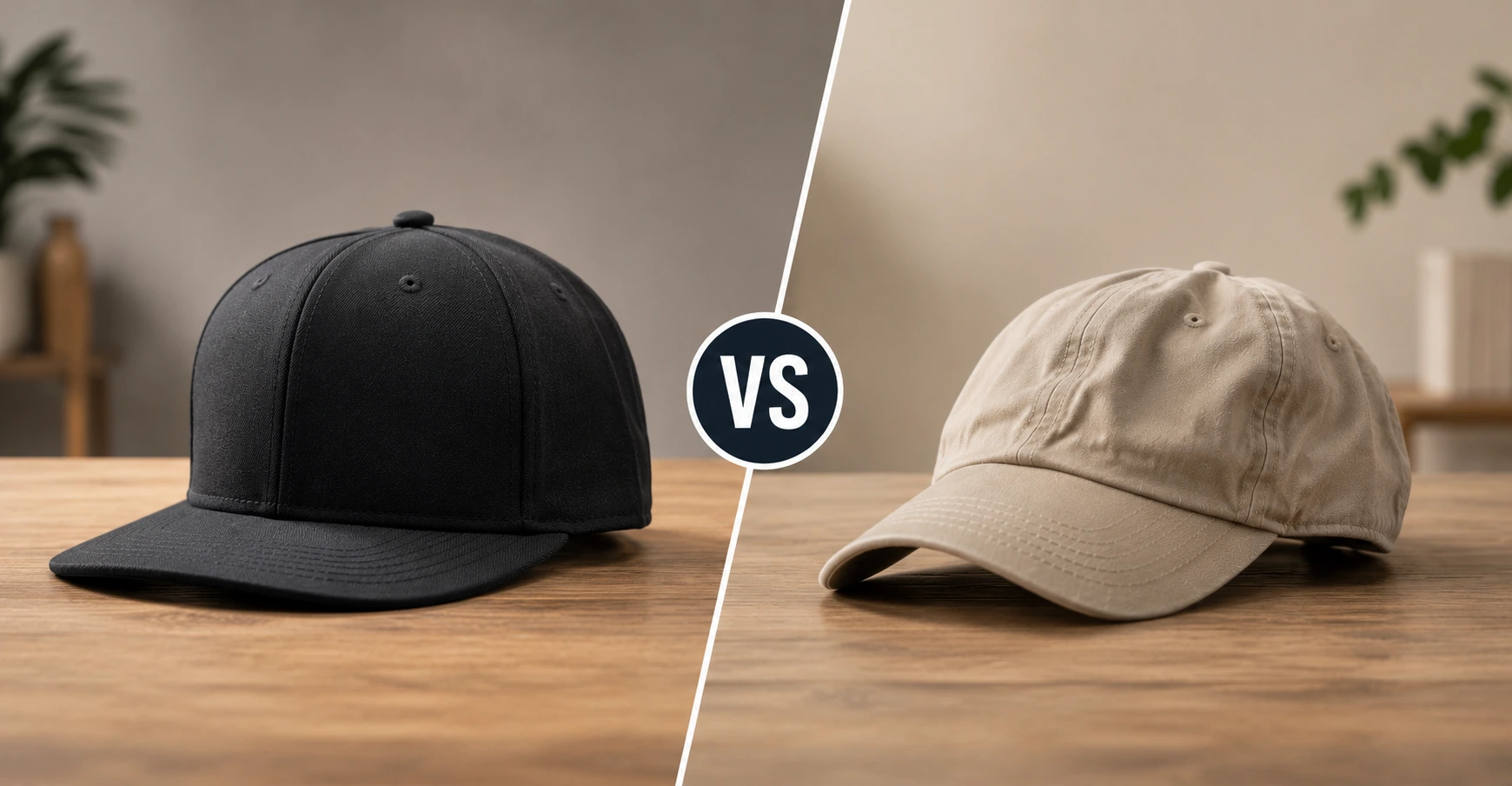
A structured hat has stiff backing behind the front panels. An unstructured hat has no stiff backing.
Key Differences
- Shape: Structured hats stay firm and upright. Unstructured hats feel soft and relaxed.
- Fit: Structured hats usually sit higher. Unstructured hats sit lower and hug the head.
- Packing: Structured hats can bend or lose shape if crushed. Unstructured hats can fold flat.
- Customization: Structured hats work well for embroidery and 3D puff designs. Unstructured hats work better for flat embroidery or printing.
- Best Use: Choose structured hats for uniforms, teams, and bold branding. Choose unstructured hats for casual wear, travel, and everyday comfort.
Some hats stand tall on a table. Others fold down the second you remove them. That small detail tells you a lot about the hat’s fit, shape, and use.
The main difference is the support behind the front panels. A structured hat has a firm backing that keeps the crown upright. This style is common in brands like Richardson, New Era, Flexfit, Pacific Headwear, Outdoor Cap, and Cap America. Structured caps work well for team logos, uniforms, patches, embroidery, and 3D puff designs.
An unstructured hat has no stiff front backing. It feels softer, sits lower, and follows the shape of your head. This style is common in dad hats and relaxed cotton caps from brands like Port Authority, Adams Headwear, Big Accessories, Richardson, and Outdoor Cap.
Choosing between a structured hat and an unstructured cap affects fit, comfort, packing, and decoration. It also helps you pick the right hat for branding, events, travel, uniforms, or everyday wear. This breakdown explains both styles and five key facts to help you choose the right cap.
What is a Structured Hat?
A structured hat is a cap engineered with a stiff, treated mesh fabric called buckram sewn directly behind the front two panels. This hidden reinforcement acts as an internal skeleton, forcing the crown to maintain a fixed, upright shape. Because of this support, structured hats usually keep their shape when worn or removed.
A classic example of a structured baseball hat is the rigid, flat brim on field cap worn by professional athletes, which never collapses.
What is an Unstructured Hat?
An unstructured hat has no stiff backing behind the front panels. The crown uses soft fabric, so it follows the shape of your head. When you take unstructured hats off and set them down, the low profile crown immediately collapses flat.
A common example is the classic dad hat, known for its soft and relaxed look.
5 Crucial Style Facts
Now that you know the anatomy behind the structured vs unstructured hats debate, here are five essential facts that will change how you shop for headwear.
1. The Crown Profile Changes Your Face Shape
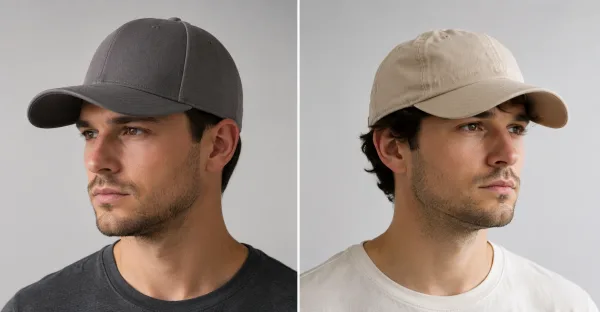
The “crown” is simply the top part of the hat that sits on your head, and its height alters your facial proportions.
- Structured: These caps usually feature a mid profile or high profile crown. Because the front panels stand tall, they add vertical height to your head. This can suit rounder faces because it adds some height.
- Unstructured: These caps feature a low profile. They sit closer to the head and create a relaxed fit. This style often works well for smaller or narrower faces because the hat won’t look like an oversized helmet.
2. The “Vibe” and Everyday Style
Your choice of cap sends a distinct message about your personal aesthetic.
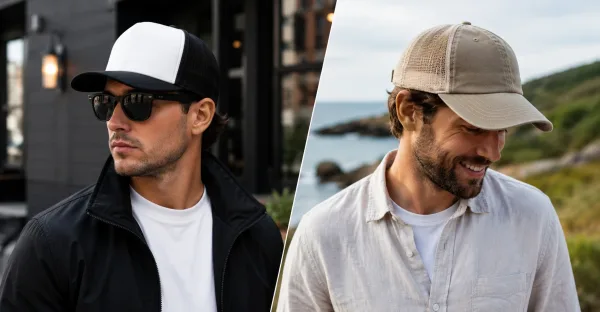
- A structured trucker hat or snapback looks sharp and clean. It is popular in streetwear and team apparel. The firm front panels help bold logos and graphics stay clear.
- An unstructured trucker hat or canvas cap feels relaxed and casual. It’s the ultimate weekend accessory that tells people you want to look good, but you didn’t spend three hours staring in the mirror to achieve it.
3. Packability and Travel Habits
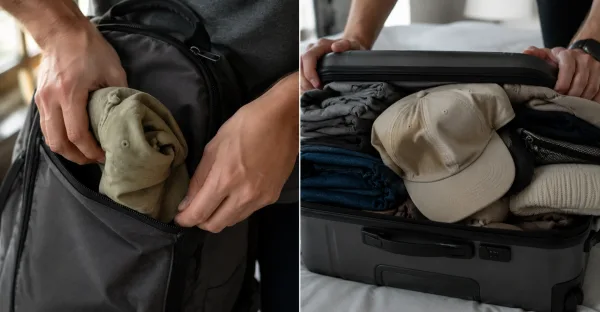
If you are someone who routinely tosses their hat into a crowded backpack, crams it into a suitcase, or accidentally sits on it in the car, fabric flexibility matters.
- Unstructured: Easier to pack. You can roll them up, stuff them in your back pocket, or wash them easily. They usually regain shape better than structured caps.
- Structured: Less ideal for tight packing. If you crush a structured cap into a tight travel bag. The front panel may bend, crease, or lose shape. Deep creases can be difficult to fully repair.
4. Customization and Branding
If you are ordering custom hats for a brand, team, event, or company, the cap’s build affects your branding options. Both structured and unstructured hats can work with customization services, but each style reacts differently to embroidery services, screen printing services, and heat transfer services. The right method depends on the crown shape, fabric, logo size, and front panel support.
5. Longevity and Washing Mechanics
The internal materials dictate how each hat responds to moisture and cleaning over time:
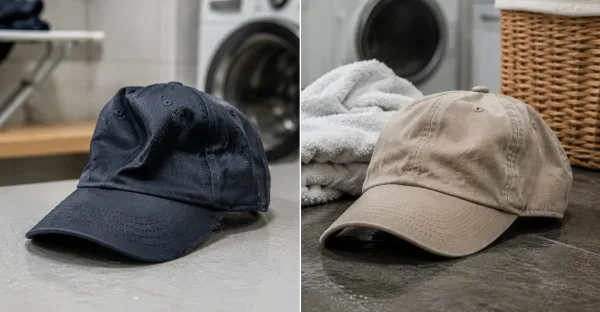
- Structured: Heavy water exposure may weaken or warp the backing. Machine washing may damage the crown shape.
- Unstructured: These caps are often easier to clean, but check the care label. The fabric may soften over time and develop a worn in look.
Best Use Cases for Structured and Unstructured Hats
Your choice of cap design comes down to your primary objective whether you need a sharp corporate aesthetic, a durable sports team uniform, or a flexible, comfortable accessory for daily travel and casual wear.
When to Choose Structured Hats
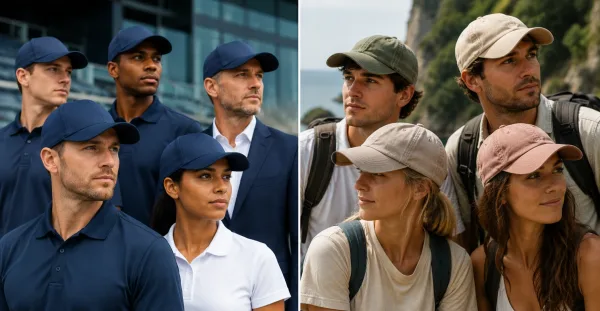
- Uniforms and Sports Teams: Provides a unified, rigid, and crisp appearance that stays looking sharp all day.
- Bold Branding and Merchandise: The stiff front face keeps company logos flat, perfectly legible, and unwrinkled.
- Modern Streetwear: Creates the intentional, sharp, high profile look demanded by modern fashion trends.
When to Choose Unstructured Hats
- Casual Everyday Wear: Offers a laid back, low profile “a” look that pairs easily with weekend attire.
- Travel and Commuting: Can be stuffed into small pockets, backpacks, or suitcases without losing form or taking up space.
- Active Lifestyles & Outdoor Recreation: Fits tightly against the skull to handle wind better, ages gracefully with heavy sweat, and washes safely in machines.
Conclusion
Choosing between structured and unstructured hats depends on fit, use, and design needs. Structured caps are ideal for clean lines, crisp streetwear, bold logos, or durable sports uniforms. Unstructured caps are the better choice for everyday comfort, a relaxed vintage aesthetic, or travel friendly wear you can easily pack away.
If you are launching a clothing line, creating corporate merchandise, or ordering custom team gear, picking the right baseline cap is essential.
The Apparel Factory offers wholesale options for custom structured and unstructured hats. Whether you need precise 3D puff embroidery or clean screen printing. The right customization method helps your design look clean and professional. Browse custom hat options to choose the best style for your next order.
Frequently Asked Questions

Published on:
June 29, 2026