Blouse vs Shirt: What’s the Difference and Which Should You Wear?
Choosing between a blouse and shirt can feel confusing when both look polished. The difference often comes down to design, fit, fabric, and styling. A blouse usually offers softer shapes and more feminine details. A shirt often has a structured shape, collar, and button front. However, modern fashion often blurs these lines. This guide explains the blouse vs shirt difference in simple terms. You’ll also learn which option works best for work, formal events, and casual outfits.
What Is a Blouse?
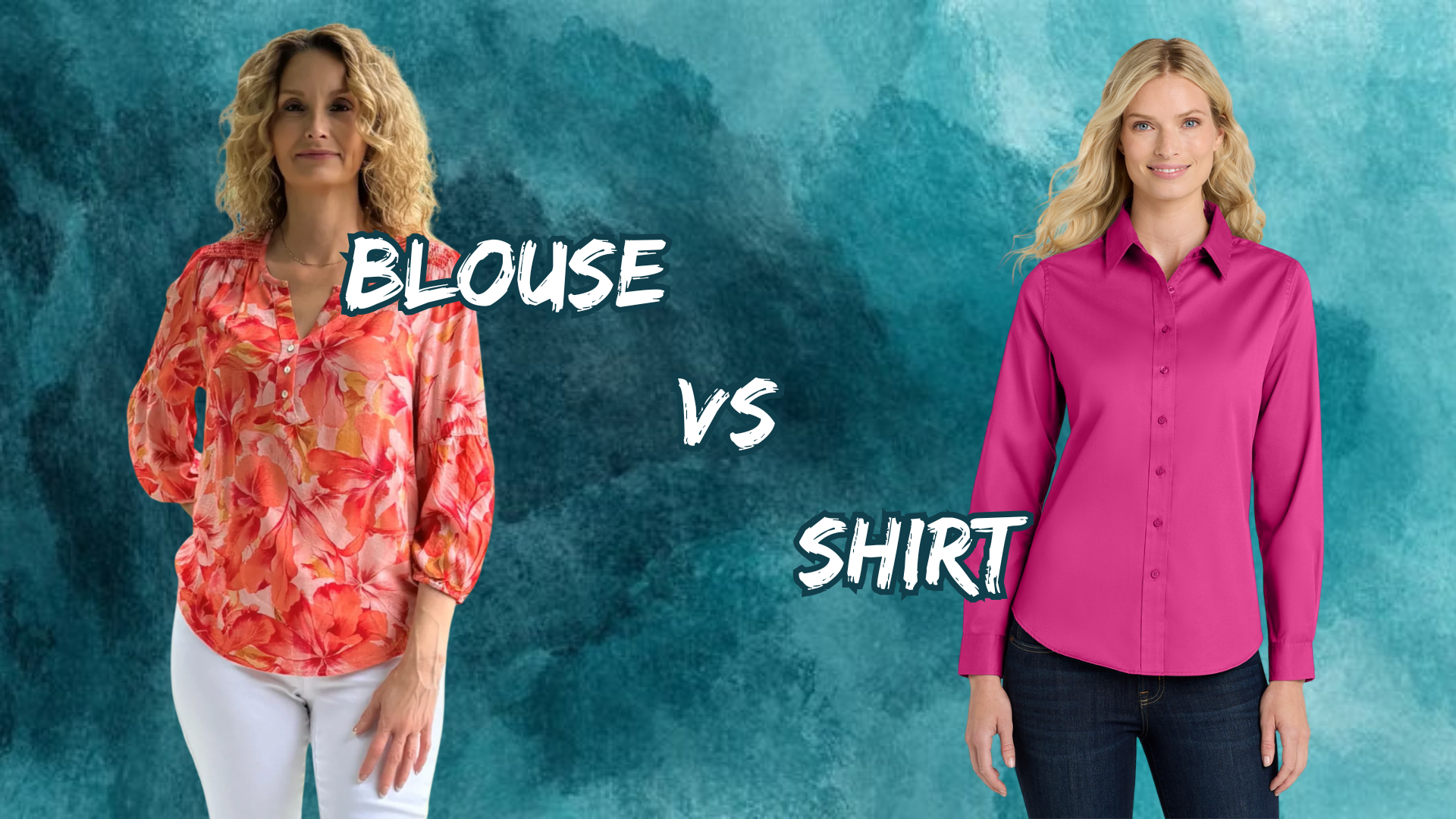
A blouse is a type of top designed with a softer or more relaxed shape. It may have buttons, but buttons are not required. Blouses can feature flowing fabrics, gathered details, pleats, bows, ruffles, or decorative sleeves. Many women’s blouse designs are made to create a polished but softer appearance. Blouses are available in both casual and formal styles.
What Is a Shirt?
A shirt is usually a more structured garment with a defined front opening. Many shirts have buttons running from the neckline toward the hem. Shirts can also include collars, cuffs, pockets, and long sleeves. A button-down shirt has buttons that secure the collar to the shirt body. A collared shirt may have a collar without using the same button structure.
Blouse vs Shirt: The Main Difference
The easiest blouse vs shirt comparison focuses on structure and styling. Shirts usually have a more defined and traditional construction. Blouses often allow more freedom in shape, fabric, and decorative details. However, these differences are not strict fashion rules. Some blouses look structured, while some shirts have soft and relaxed designs.
Blouse and Shirt Difference at a Glance
A shirt usually looks crisp, structured, and straightforward. A blouse often looks softer, lighter, or more decorative. Shirts commonly use cotton, linen, denim, or other structured fabrics. Blouses can use silk, satin, chiffon, cotton, rayon, or lightweight blends. Both garments can work for office wear, casual wear, or formal wear.
Blouse vs Button Up Shirt
The blouse vs button up shirt comparison can be especially confusing. A button-up shirt usually has a full row of buttons down the front. It often has a collar and a more structured shape. A blouse can also have buttons, but its design may feel softer or more decorative. For example, a silk blouse with buttons still feels different from a classic cotton button-up.
Blouse vs Dress Shirt
A dress shirt is generally designed for a polished and formal appearance. Traditional dress shirts often have collars, cuffs, buttons, and a structured fit. They are commonly worn with suits, dress pants, or other formal clothing. A blouse can also look formal, but its styling may feel less traditional. For conservative formal wear, a crisp dress shirt can create a more classic appearance.
Women’s Blouse vs Shirt
The phrase women’s blouse usually describes tops with softer or more varied styling. However, women can also wear every major type of shirt. A woman might choose a button-down shirt for a sharp office outfit. She might choose a blouse when she wants more texture, movement, or detail. Neither option is automatically more professional than the other.
Blouse vs Top: Are They the Same?
A blouse is a type of top, but not every top is a blouse. The word “top” covers many garments, including T-shirts, tanks, sweaters, and blouses. A blouse usually suggests a more polished or designed appearance. A simple cotton T-shirt would normally be called a top instead. This makes “blouse” a narrower clothing term than “top.”
Common Blouse Styles
Blouse styles vary widely, so finding one for your wardrobe is easy. A button-front blouse offers a classic look with softer details. A wrap blouse creates a flattering shape around the waist. A peplum blouse adds volume around the hips. A bow-neck blouse adds a dressier touch without needing bold accessories. Puff sleeves, ruffles, pleats, and satin fabrics can also make a blouse feel more stylish.
Common Shirt Styles
Shirt styles also cover many different looks and levels of formality. A button-down shirt is a classic choice for work and everyday outfits. An Oxford shirt usually has a slightly heavier, textured fabric. A dress shirt offers a cleaner and more formal appearance. A denim shirt creates a relaxed casual look. A flannel shirt works well for comfortable everyday outfits.
Blouse or Shirt for Work?
Wondering whether to choose a blouse or shirt for work? Start with your company’s dress code rather than the garment’s name. Business casual commonly includes both blouses and button-down shirts. Indeed lists blouses and button-down shirts among common business casual clothing options. A conservative workplace may favor structured shirts, tailored blouses, or both.
When Should You Wear a Blouse to Work?
Choose a blouse when you want a polished look with more visual softness. A simple blouse works well with trousers, pencil skirts, or tailored pants. For a more formal office, choose solid colors and modest necklines. Avoid overly sheer fabrics, dramatic details, or very casual designs when required. Indeed also lists blouses as suitable for business professional outfits.
When Should You Wear a Shirt to Work?
Choose a shirt when you want a clean, structured, and traditional appearance. A white or light-blue button-down works especially well with tailored pants. A collared shirt can also pair nicely with a blazer. This combination creates an easy business casual or business professional outfit. Indeed recommends collared and button-down shirts for traditional business professional settings.
Blouse vs Shirt Styling: Easy Outfit Ideas
Styling either garment starts with the level of formality you need. Pair a satin blouse with tailored trousers and simple heels for a polished office look. Wear a cotton blouse with jeans and loafers for smart casual dressing. Pair a white button-down shirt with trousers and a blazer for classic office wear. Wear an oversized shirt with straight-leg jeans for relaxed casual wear. Add a belt, simple jewelry, or structured bag to finish either outfit.
Blouse vs Shirt for Business Casual
Both options can work well for business casual clothing. Business casual sits between traditional professional clothing and relaxed everyday dressing. However, each company’s expectations can differ. Indeed recommends checking company guidelines and observing workplace clothing before choosing your outfits. When uncertain, choose clean, polished, and slightly conservative pieces.
Blouse vs Shirt for Formal Wear
For formal wear, structure and fabric become especially important. A tailored dress shirt works naturally with a suit or formal trousers. A refined blouse can also work beautifully with a tailored blazer or suit. Choose simple colors, quality fabrics, and clean lines for a polished result. Formal dressing usually benefits from clothing that looks neat, pressed, and well-fitted.
Blouse vs Shirt for Casual Wear
Casual wear gives you much more freedom with both garments. Try a loose blouse with jeans, sneakers, and a crossbody bag. You can also wear a relaxed button-up shirt with denim and casual shoes. Lightweight fabrics work especially well during warmer months. Prints, denim, relaxed fits, and rolled sleeves can make either option feel casual.
How to Choose Between a Blouse and Shirt
First, check where you plan to wear the outfit. Second, decide whether you want a structured or softer appearance. Third, consider the fabric and weather before choosing your garment. Fourth, make sure the fit feels comfortable when you move. Finally, match the garment with your shoes, bottoms, and accessories.
5 Quick Tips for Choosing the Right One
1. Choose a blouse for softness. Blouses work well when you want movement, texture, or feminine details.
2. Choose a shirt for structure. Shirts are useful when you want a crisp and classic appearance.
3. Check your workplace rules. Dress codes can differ greatly between companies and industries.
4. Think about the whole outfit. The right trousers, shoes, and accessories can change the garment’s appearance.
5. Prioritize fit. A well-fitting blouse or shirt usually looks better than an expensive garment with poor fit.
Which Is More Professional?
Neither garment automatically looks more professional. Professionalism depends on fit, condition, fabric, color, and the complete outfit. A crisp blouse can look more polished than a poorly fitted dress shirt. Likewise, a tailored shirt can look sharper than an overly casual blouse. Your workplace’s dress code should always guide your final choice.
The Simple Answer
So, what is the difference between blouse and shirt? A blouse usually offers softer construction and more varied decorative details. A shirt usually has a more structured design with familiar shirt features. Both can be stylish, comfortable, and professional. The best choice depends on your personal style and the occasion. If you want softness, choose a blouse. If you want structure, choose a shirt.
Final Thoughts
The blouse vs shirt debate does not have one universal winner. Both garments deserve a place in a versatile wardrobe. Blouses can add softness and variety to office outfits. Shirts can provide structure and a timeless appearance. Understanding their differences makes getting dressed much easier. Choose the piece that matches your setting, comfort, style, and desired level of polish.

Published on:
August 13, 2026