Key Takeaways
- Embroidery backing is a stabilizer placed behind fabric to support stitches and improve embroidery quality.
- The main types are cut away, tear away, and wash away, each suited to different fabrics and uses.
- Choosing the right backing affects the durability and appearance of bulk-decorated items like polos and uniforms.
- Backing selection for bulk orders requires balancing garment type, design complexity, and production speed.
- Using the best stabilizer for each fabric ensures professional results and longer-lasting embroidery.
Embroidery is a staple decoration method for branded apparel, but the role of embroidery backing is often overlooked by business buyers. Backing, or stabilizer, is critical for achieving clean, professional results, especially in bulk production. According to Research and Markets, the embroidery market is projected to grow at a CAGR of 11.2% from 2026 to 2034, reaching $9.5 billion by 2034, highlighting the importance of quality and efficiency in large-scale orders. Many assume all backings are the same or that the cheapest option will suffice, yet the right stabilizer can mean the difference between crisp logos and puckered, uneven stitching. This article explains embroidery backing, details the main types, and guides you through choosing the best options for polos, uniforms, and other bulk apparel. For a deeper understanding, see our embroidery backing explained resource.
What Is Embroidery Backing and Why Does It Matter?
Embroidery backing, also called embroidery stabilizer, is a sheet of material placed behind the fabric during the embroidery process. It supports the fabric while the machine stitches designs onto it. This extra stability helps create crisp, even designs, especially on lighter, stretchier, or textured textiles. When you use the correct stabilizer, embroidery machines deliver sharp logos and letters that keep their shape, even at high production volumes.
Using appropriate embroidery backing prevents distortion, puckering, and shifting, any of which can ruin the professional look of a logo or name. If the backing is wrong or missing, stitches may sink into soft fabrics, designs can warp, and details may blur. When this happens, entire batches of branded garments might be rejected, wasting time and money.
Bulk apparel buyers have a lot on the line:
- Durability: Designs and garments last longer, even after repeated washing.
- Consistency: Appearances stay uniform across hundreds or thousands of items.
- Efficiency: Fewer rejects mean less rework and smoother production.
Choosing the correct backing becomes even more important in mass production. Decorating polos for a health system, uniforms for a logistics company, or workwear for contractors all require garments that look and feel the same. The best stabilizer depends not just on the fabric, but also on the embroidery’s complexity, how the piece will be used, and how the backing will be removed after stitching. Proper selection reduces headaches and helps your branded apparel withstand frequent laundering and daily wear.
Comparing Types of Embroidery Backing
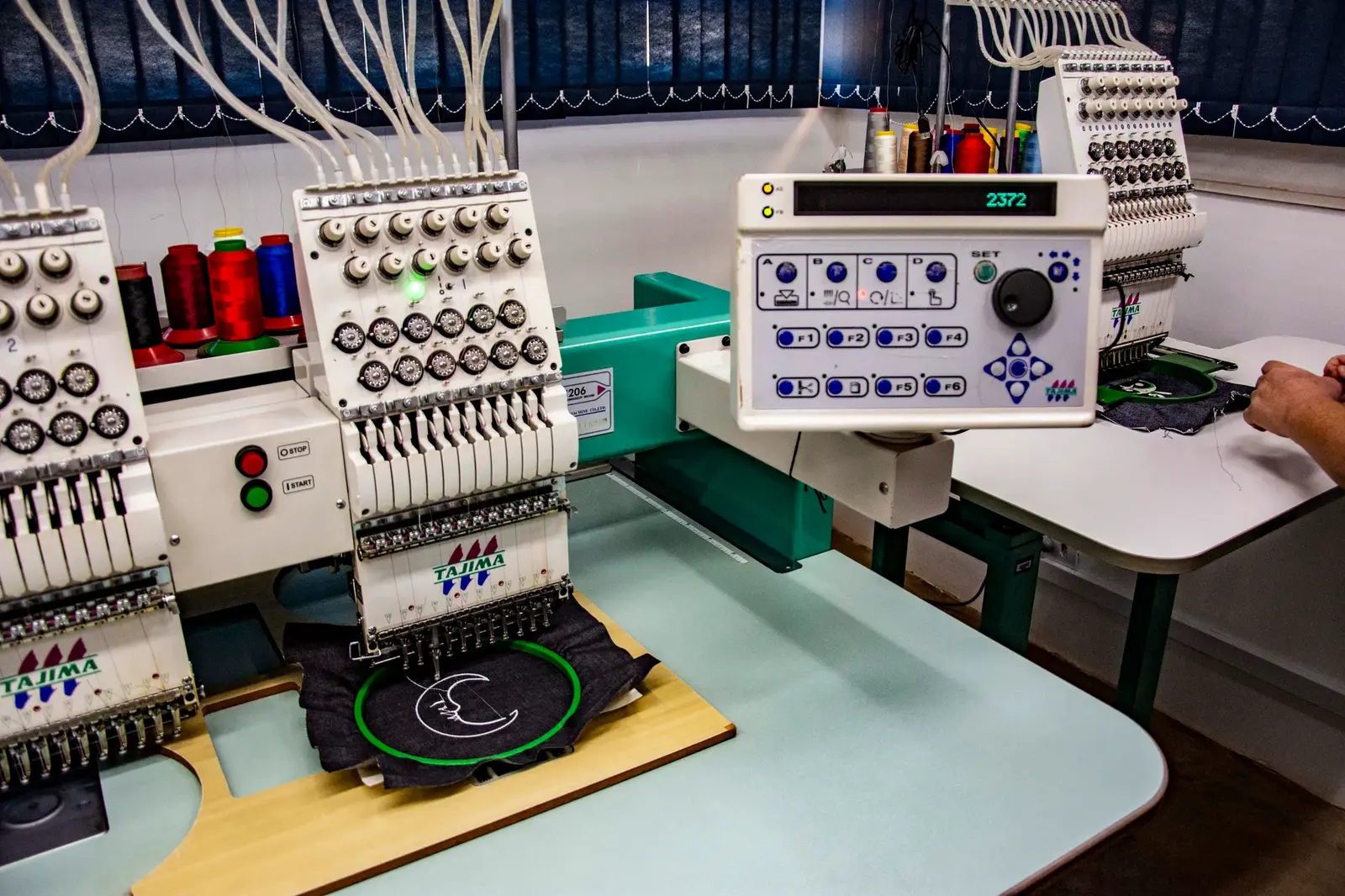
There are three main types of embroidery backing used in apparel production: cut away, tear away, and wash away. Each offers its own strengths and limitations, so making the right choice is crucial for quality and durability in bulk runs.
Here’s a comparison of the major stabilizer types, showing their best uses, removal methods, advantages, and trade-offs:
| Type | Best For | Removal Method | Pros | Cons |
|---|---|---|---|---|
| Cut Away | Stretchy fabrics, polos | Trim after stitching | Durable, supports wear | More labor, visible inside |
| Tear Away | Stable fabrics, caps | Tear off | Fast, clean finish | Less support, not for stretch |
| Wash Away | Sheer/delicate, lace | Dissolves in water | No residue, invisible | Limited support, not for bulk |
Cut away stabilizers work best for polos and knitwear, which stretch during wear and washing. They provide ongoing support, so embroidered designs keep their shape over time. This type of backing stays in the garment even after trimming, which means crisp embroidery after many washes, but slight visibility might occur on lighter items.
Tear away stabilizers suit stable, non-stretch woven fabrics like caps, twill uniforms, and structured jackets. They are popular in high-volume runs because removal is fast, just tear them off after stitching, leaving little behind. However, they offer less support and are not suited for stretch fabrics or intricate designs.
Wash away embroidery backing is usually reserved for delicate fabrics, lace, or sheer garments. It dissolves completely in water, leaving nothing behind. This makes it ideal if you don’t want any stabilizer to show. However, wash away is not strong enough for bulk runs of heavy items and doesn’t provide the durability needed for long-term wear.
When deciding between cut away and tear away, consider the fabric and how the garment will be used. Cut away gives lasting support for items that will be stretched or laundered often. Tear away is faster for production, but offers less durability. Wash away addresses specialty needs like bridalwear and is uncommon in large-scale orders.
How to Choose the Best Backing for Bulk Embroidery Orders
Selecting the best backing for embroidery in bulk production goes beyond just matching stabilizer to fabric. You need to balance quality, cost, and workflow for consistent results at scale.
- Assess Fabric Characteristics
Identify if the garment stretches, how heavy it is, and whether it has unique textures. Knits and athletic materials need more support, while thick, stable fabrics may require less. - Match Backing Type to Embroidery Design Complexity
Simple logos on stable fabrics work with tear away. Complex, detailed designs or those on stretch materials demand cut away for stability. For sheer applications, wash away might be the answer. - Consider Production Volume and Removal Speed
In bulk orders, time matters. Tear away is often used for its quick removal, but if durability is critical, cut away deserves the extra attention despite requiring trimming. - Factor in End-Use Durability and Wash Frequency
Garments that face frequent laundering, like uniforms or work polos, need permanent support from cut away stabilizers. Lighter options might suffice for items with lighter wear. - Test Samples Before Committing to Large Runs
Always sample embroidery on the actual fabric before full production. Check for puckering, stretch, stitch coverage, and removal ease.
To improve efficiency and reduce waste:
- Pre-cut or roll-form backings help with quick placement and less excess.
- Avoid using heavy stabilizers where not needed, as they increase costs and affect comfort.
- Standardize backing for similar items to streamline operator training.
Following this process ensures that embroidery backing for bulk apparel is tailored to your production needs, design specs, and expectations for durability.
Embroidery Backing for Polos, Uniforms, and Workwear
Not every garment requires the same embroidery stabilizer. In large-volume orders, matching the right backing to each apparel type affects comfort, finish, and durability, particularly for polos and uniforms.
Polos and Knit Shirts
For polos, cut away backing is usually the top choice. These shirts, often made from cotton or poly blends, stretch with use and washing. Without permanent support, the fabric can pucker or warp over time. A medium-weight cut away stabilizer keeps logos crisp and professional for the long run. Mesh-style or no-show variants help prevent show-through on lighter colors. Comfort matters, so always trim the stabilizer close to the embroidery to reduce bulk and itchiness inside the collar or chest.
Uniforms and Workwear
Uniforms, work shirts, and gear for frequent use require both strength and comfort. Heavier cut away stabilizers deliver durability for garments facing abrasion or hot washes. The removal process should leave smooth edges, so employees aren’t bothered by stiff patches. Sometimes, tear away layered under cut away helps with easier cleanup, while still offering lasting support in key spots like sleeves or pockets.
Fleece, Sweatshirts, and Caps
Thicker garments such as fleece pullovers, sweatshirts, and most caps benefit from different backing choices. Tear away works well for caps or dense sweatshirts, allowing for quick removal and less interior bulk. Specialty stabilizers, like cap-specific or adhesive types, hold the backing in place during embroidery. For thick fleece, double-layering a light tear away or combining it with cut away prevents distortion. Always confirm compatibility with a test stitch before large runs to ensure speed and quality.
Common Backing Mistakes in Bulk Production
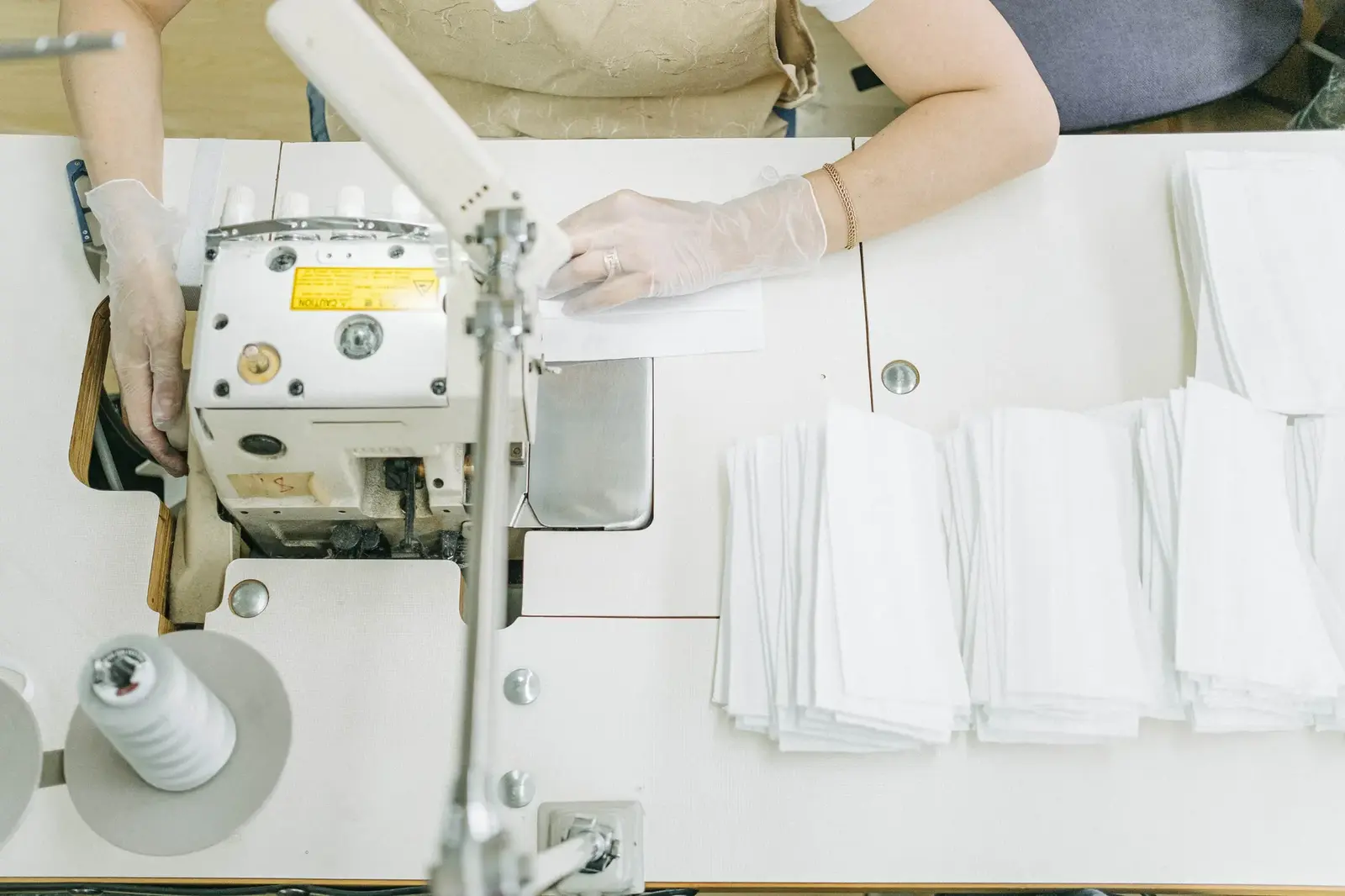
Errors with embroidery backing in large-scale production can lower garment quality and slow operations. Key mistakes to watch for:
- Choosing the wrong stabilizer for stretch or delicate fabrics, causing puckering or weak designs that fail after use.
- Using heavy backing unnecessarily, making garments uncomfortable, especially at shirt fronts or cuffs.
- Not testing for design-specific needs, so problems emerge only after garments reach the customer.
- Rushing removal, leading to distortion, torn stitches, or visible residue inside garments.
- Ignoring leftover backing on light-colored or sheer fabrics, which can create shadowing inside logos or text.
Careful sampling and thorough operator training help prevent these common pitfalls and save costs during bulk runs.
Trends in Embroidery Backing for B2B Apparel
The embroidery backing segment has evolved as business buyers and apparel decorators shift priorities. Today’s bulk orders increasingly reflect a need for sustainability, automation, and fabric-specific advances.
A few current trends include:
- Eco-friendly and recycled stabilizers: Buyers request products made from post-industrial or biodegradable materials to meet corporate sustainability goals.
- Automated stabilizer placement and removal: Large factories adopt automation to reduce manual work, boost consistency, and speed up production.
- Multi-directional and fusible backings: These are popular for performance and technical fabrics, adapting to fabric stretch and often attaching with heat to keep them firmly in place.
These shifts influence sourcing. Eco-friendly options may cost more or have longer lead times, while automation requires upfront investment but lowers labor costs over time. Keeping up with these trends means better branded apparel and alignment with changing corporate standards.
Selecting Backing for Specialty and Technical Fabrics
Technical fabrics, now common in uniforms, activewear, and promo apparel, require special choices for embroidery backing. Using the wrong stabilizer can ruin both performance and appearance.
Performance and Moisture-Wicking Fabrics
For garments like performance shirts and moisture-wicking polos, choose stabilizers that don’t block breathability. Lightweight mesh backings support stitches while letting air move through. Perforated or no-show mesh options are also helpful for thin, technical knits, as they reduce visible shadowing.
Sheer and Delicate Materials
Delicate shirts, dresses, or sheer panels need invisible support. Wash away embroidery backing dissolves after washing, leaving nothing behind, which is perfect for these cases. No-show mesh works for some delicate items, offering structure without extra bulk.
Heavyweight and Structured Fabrics
Denim jackets, thick canvas, or quilted sweatshirts may call for layering. Combining a medium tear away with a light cut away, or using specialty heavy backing, can keep designs stable on heavy fabrics. Adhesive or spray-based stabilizers hold everything in place, especially around thick seams or reinforced spots.
Choosing the right backing approach for specialty fabrics keeps embroidery looking sharp, garments comfortable, and every piece ready for customers or retail shelves.
How The Apparel Factory Ensures Quality in Bulk Embroidery
The Apparel Factory uses a systematic approach to stabilizer selection and quality control, especially for bulk embroidery orders on a range of garments. Each order begins with a full garment and fabric analysis, considering weight, stretch, and weave to select the proper stabilizer.
Test runs are central to the process. Small batches of each style and fabric undergo sample embroidery with different stabilizer options. Operators and quality teams review these samples for puckering, stability, and ease of removal. Any concerns about residue or comfort are resolved before moving to full production.
Automation supports stabilizer cutting and placement, ensuring each piece is sized and aligned correctly, critical for high-volume orders where efficiency matters. For specialty apparel like polos, uniforms, performance tees, or outerwear, experienced technicians match backing type and weight to design complexity and production needs. This approach complements our expertise in custom embroidery costs, helping clients balance quality and budget.
Customer satisfaction drives repeat business. Buyers return because they know embroidery will be crisp, clean, and durable. With careful garment analysis, sample testing, automation, and ongoing quality checks, The Apparel Factory ensures every order meets high standards from start to finish.
FAQ
1. What is embroidery backing and why is it important?
Embroidery backing is a stabilizer placed behind fabric to support stitches during embroidery, preventing distortion and improving design quality, especially in bulk production.
2. What are the main types of embroidery backing?
The main types are cut away, tear away, and wash away, each suited for specific fabrics and removal needs in business apparel orders.
3. When should I use cut away vs tear away backing?
Cut away is best for stretchy or frequently laundered garments like polos, while tear away suits stable fabrics and quick production runs.
4. How does wash away embroidery backing work?
Wash away backing dissolves in water, leaving no residue, and is ideal for delicate or sheer garments where stabilizer must not show.
5. What is the best backing for embroidery on polos?
Cut away stabilizer is generally recommended for polos due to their stretch and laundering requirements, ensuring lasting results.
6. How do I choose embroidery backing for bulk apparel orders?
Consider fabric type, design complexity, production speed, and durability needs, and always test samples before large runs. For a broader view on embroidery methods, see our screen printing vs embroidery guide.
7. Can the wrong backing affect embroidery durability?
Yes, using the wrong stabilizer can lead to puckering, loose stitches, or premature wear, impacting the quality of branded apparel.
8. Are there eco-friendly embroidery backings available?
Yes, many suppliers now offer backing made from recycled or biodegradable materials suitable for bulk orders.
9. What mistakes should I avoid with embroidery stabilizers?
Avoid mismatching backing to fabric, overusing heavy stabilizers, and skipping test runs before mass production.
10. How does The Apparel Factory ensure quality in bulk embroidery?
The Apparel Factory matches stabilizer to garment type, uses test runs, and maintains strict quality control throughout bulk production. For insights on embroidery styles, check our puff embroidery vs flat ink comparison.

Published on:
November 12, 2026