



Key Takeaways
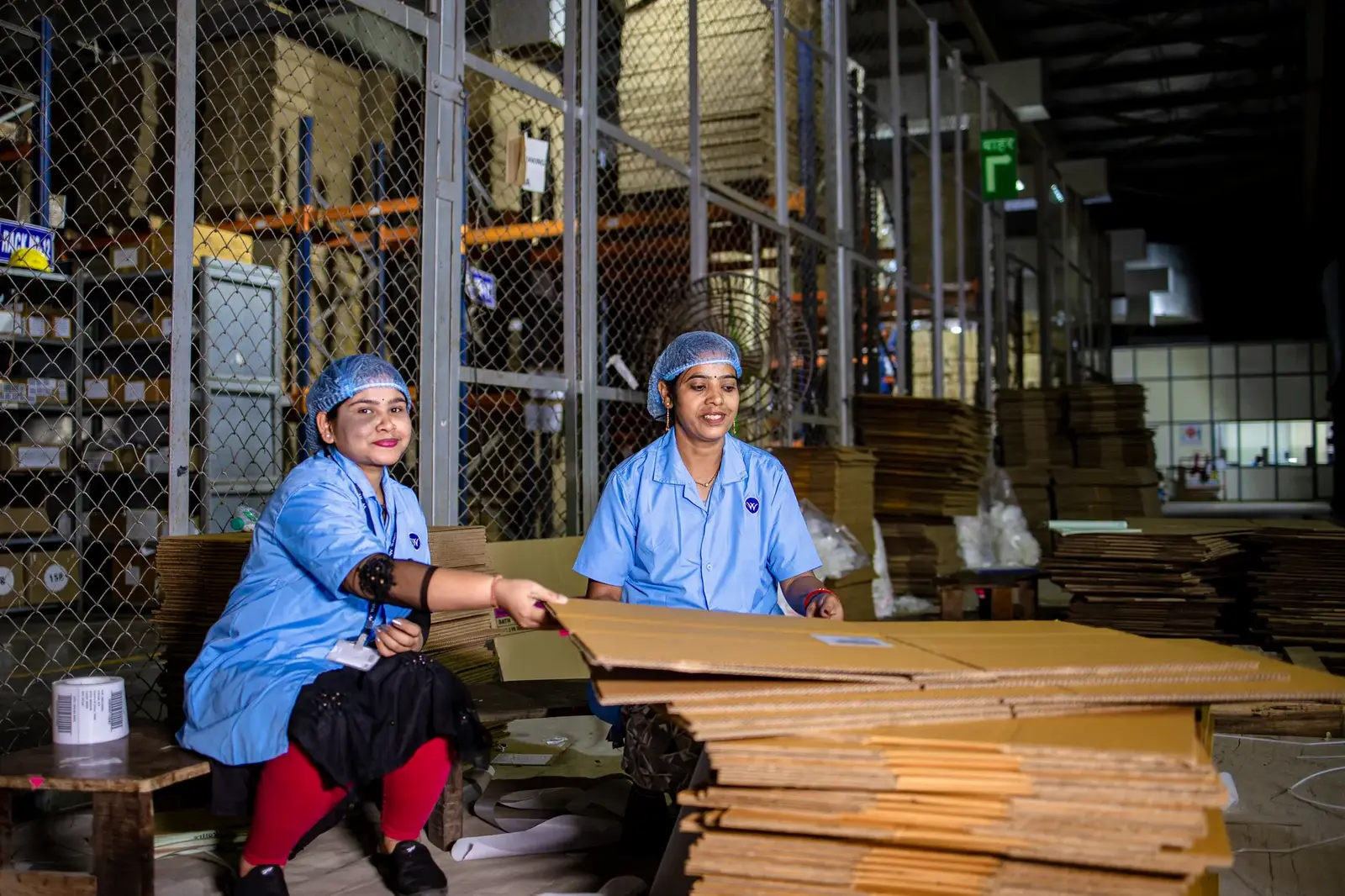
- Uniform selection for warehouse staff should prioritize durability, comfort, and clear team identity.
- Material and fit choices affect both staff productivity and long-term wearability in demanding environments.
- Branded warehouse workwear reinforces company image and supports team cohesion.
- Bulk ordering from a reliable warehouse uniform supplier ensures consistency and simplifies reordering.
- Planning for future needs and involving staff in feedback helps maintain a professional, practical uniform program.
Businesses need to take a strategic approach to sourcing warehouse staff uniforms. The process requires balancing durability, comfort, and brand recognition while addressing the needs of various job roles and changing workforce sizes.
The market for uniforms is expanding rapidly. According to Grand View Research, the global workwear market was valued at $19.2 billion in 2025 and is projected to reach $28.1 billion by 2033. As demand grows, operations managers, procurement leaders, and business owners are navigating more complex decisions when choosing bulk warehouse uniforms.
This practical guide explores every step of selecting warehouse staff uniforms, from understanding daily job requirements and choosing materials to organizing bulk orders with the right supplier and maintaining uniform consistency over time.
Step-by-Step Guide to Selecting Warehouse Uniforms
The process of selecting uniforms for warehouse staff involves several key decisions, each contributing to a successful outcome for both staff and business. By breaking down the steps and considering each in detail, you ensure warehouse employee uniforms truly meet your team’s needs and strengthen your operations.
Identifying Team Roles and Functions
Start by mapping out the roles across your warehouse. Day-to-day tasks, exposure to machinery, temperature zones, and interaction with visitors all shape uniform needs. For example, loaders, pickers, forklift operators, and supervisors may each benefit from distinctive features or colors in their uniforms. Factor in whether you need easily spotted team leaders or unique identifiers for different shifts. Clear differentiation streamlines workflows and supports safety protocols.
Setting Uniform Requirements
Once you’ve documented job roles and workplace challenges, define uniform specifications. Durable fabrics protect against frequent washing and abrasion, while ergonomic cuts support comfort during long shifts. Clarify color preferences and required branding so your uniforms match your business image. Consider movement needs as well, uniforms must not restrict motion, especially during demanding physical work. Document these requirements so you can communicate clearly with potential suppliers.
Engaging Stakeholders for Input
Gathering input from those wearing the uniforms is crucial. Meet with supervisors and frontline workers to discuss what has and hasn’t worked with past uniforms. Their real-world experiences offer insights into problems like overheating, discomfort, or issues with fabric durability. This collaborative process gives you better information and promotes greater buy-in from staff once the new uniforms roll out.
Shortlisting Suppliers and Samples
Identify reliable warehouse uniform suppliers by evaluating their ability to provide variety, ongoing support, and timely delivery. Check if they can meet both your branding needs and volume requirements. Request samples to assess firsthand the quality, comfort, and fit of their warehouse staff uniforms. Schedule sample reviews with a mix of team members, noting how garments perform in actual work settings, and pay attention to color matching and logo application.
Final Selection and Implementation
After collecting feedback and confirming supplier capabilities, make the final selection based on alignment with your core requirements and stakeholder input. Develop a rollout plan to communicate upcoming uniform changes. Explain reasons for the update to staff and share timelines for when bulk warehouse uniforms will be distributed. This approach ensures a smooth transition and avoids disruptions during implementation.
Choosing the Right Materials and Fabrics
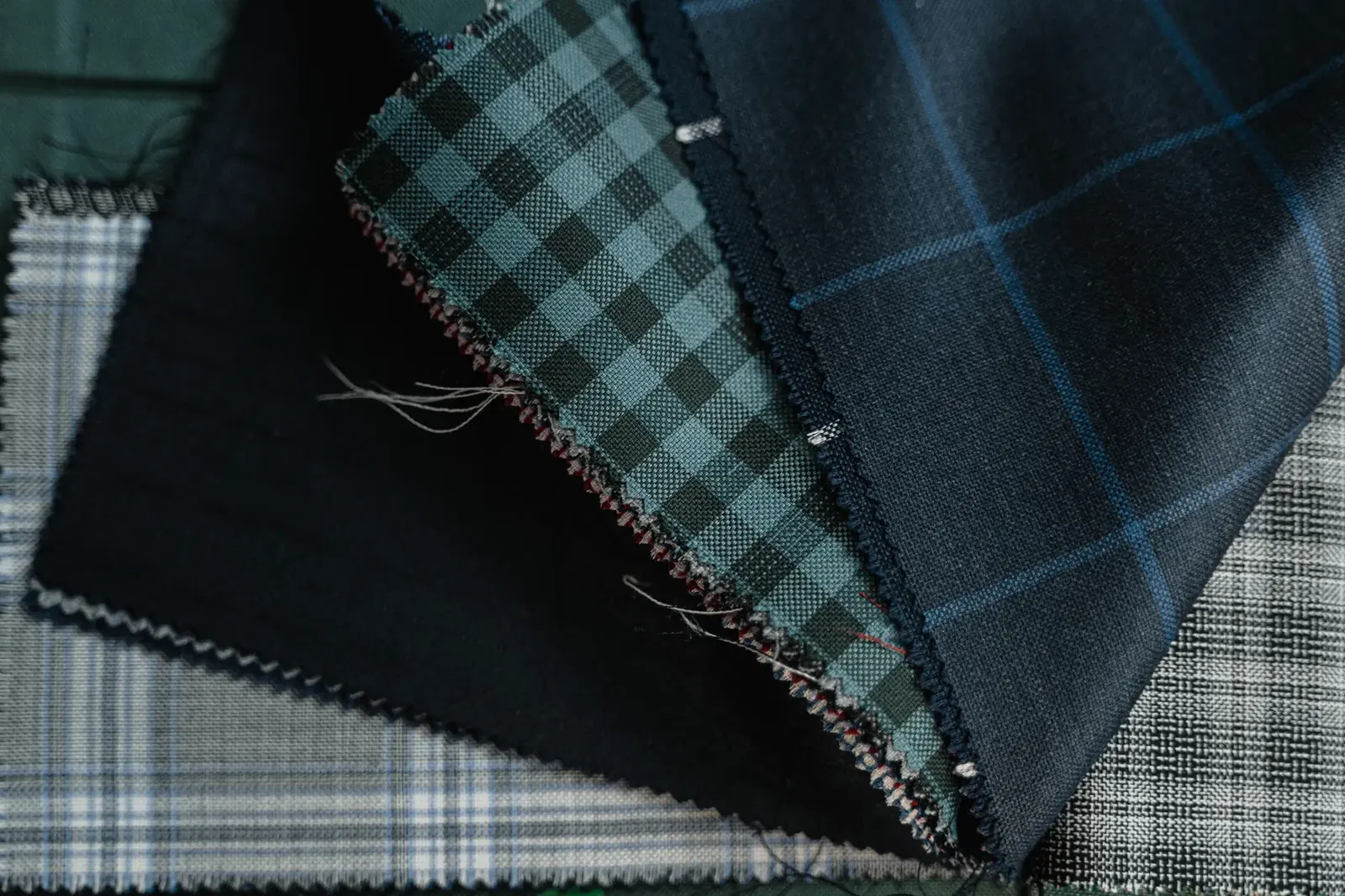
Selecting the best materials for warehouse staff uniforms is essential for comfort, durability, and long-term value. The right fabric choices save costs over time and deliver a better experience for employees, especially in challenging warehouse environments.
- Durability: Prioritize fabrics that retain shape and color after repeated washing, abrasion, and exposure to dust or grime. Look for blends with reinforced fibers or fabrics like poly-cotton known for industrial strength.
- Breathability and Comfort: Choose materials that allow air circulation, such as cotton-rich blends or technical performance fabrics. This helps teams stay cooler during hot shifts or in temperature-controlled zones.
- Easy Care: Seek out materials with stain resistance and minimal ironing needs. Uniforms that release dirt easily keep staff looking professional and extend the garment lifespan.
- Environmental Considerations: Many businesses now opt for recycled polyester or sustainably sourced cotton to lower environmental impact. Selecting eco-friendly fabrics aligns your uniform program with corporate sustainability goals.
Sourcing high-quality materials also responds to broader industry change. According to Fortune Business Insights, the global workwear market is projected to grow from $20.6 billion in 2026 to $30.4 billion by 2034. This reflects growing demand for both quality and sustainable fabric options in custom warehouse uniforms.
Branding and Customization Options
Customizing warehouse uniforms strengthens brand identity and supports a professional appearance across teams. Branded warehouse workwear helps your business project a cohesive image and fosters a sense of belonging among workers.
Logo Placement and Decoration Methods
Select among embroidery, screen printing, or heat transfer for decorating your uniforms. Embroidery is durable and suits woven fabrics, while screen printing works well for large, bold logos on knits or synthetics. Heat transfer offers precision for intricate details or multi-color designs. Wherever you place the logo, chest, back, or sleeve, make sure it’s clearly visible and that decoration methods withstand routine laundering.
Color Consistency and Corporate Identity
Uniform colors should match your brand guidelines to reinforce a recognizable identity. Work with your supplier to ensure colorfastness and uniformity, especially with bulk and repeat orders. Request color swatches with your actual logo and run visual checks to catch shade differences that can arise between different production batches.
Personalization for Teams or Roles
Further customization, such as embroidered or printed names, job titles, or departments, adds clarity and fosters pride among staff. This practice helps in larger warehouses where quick identification of roles saves time and improves communication.
By carefully considering branding and personalization, you give your warehouse staff uniforms a professional edge that supports your entire company image.
Comfort and Fit Considerations for Warehouse Teams
Uniform comfort and fit directly influence both morale and efficiency in warehouse environments. Discomfort can reduce focus and productivity, while proper ergonomic design enhances movement and safety. Sourcing warehouse employee uniforms with comfort as a priority is an investment in staff welfare.
According to Grand View Research, the US workwear market is expected to reach nearly $5 billion by 2033, with fit and comfort among the top purchasing criteria for warehouses nationwide. Managers looking to optimize their uniform program should weigh these factors closely.
Consider these key elements for optimal fit and comfort:
- Flexible Sizing: Offer a complete size range, accounting for different body shapes and builds across your workforce. A supplier with inclusive sizing keeps everyone comfortable, avoids costly returns, and ensures consistent appearance.
- Ergonomic Design: Features such as side stretch panels, articulated elbows, gusseted underarms, and adjustable closures allow a wider movement range. These design elements are especially valuable in high-mobility work settings.
- Climate Adaptability: Provide options for layers, such as t-shirts, polos, sweatshirts, or vests, to suit both cold and hot working environments. For warehouses with significant temperature fluctuations, light and heavyweight versions ensure year-round comfort.
By focusing on these areas, your warehouse staff uniforms will be more widely accepted and worn with pride, encouraging productivity even during long shifts.
Role-Specific Uniform Features

Not every warehouse job is identical, and tailoring uniforms to specific duties can make work easier, safer, and more organized. Recognizing these differences at the design stage ensures your uniforms support daily operations.
Material Reinforcements for High-Contact Roles
Some warehouse tasks cause rapid wear. Consider double stitching for seams, reinforced knees on trousers, or abrasion-resistant panels in areas that see the most contact. Custom warehouse uniforms with these features may cost slightly more upfront but deliver savings over time through reduced wear and replacement rates.
Visibility and Identification
Certain roles benefit from high-visibility accents. Team leaders or forklift operators can be hard to spot on busy floors, so uniforms with reflective stripes or contrasting colors improve safety and communication. Supervisors, security, or trainers may require distinct color blocks or visible badges. Visual differentiation ensures the right people are easy to find in dynamic workspaces.
Storage and Utility
Many jobs call for immediate access to tools, pens, scanners, or phones. Uniforms designed with ample pockets, pencil sleeves, tool loops, or D-rings serve these needs. Custom warehouse uniforms can integrate task-specific storage without sacrificing comfort or style, streamlining workflow and minimizing lost items.
These role-specific customizations ensure warehouse staff uniforms cater to real work realities and directly support operational efficiency.
Sourcing and Evaluating Warehouse Uniform Suppliers
Selecting the right partner for your uniform program is central to successful sourcing, rollouts, and ongoing management. A strong warehouse uniform supplier brings reliability, product breadth, and the ability to deliver quality consistently. Before making any commitment, business buyers should vet potential partners using standard evaluation criteria.
| Supplier Attribute | What to Look For | Questions to Ask |
|---|---|---|
| Product Range | Full assortment for all warehouse roles | Can you supply all required items? |
| Customization Capabilities | Embroidery, printing, and personalization options | What decoration methods do you offer? |
| Bulk Order Management | Volume discounts, easy reordering, inventory support | How do you handle reorders? |
| Quality Assurance | Consistent sizing, fabric durability, sample policy | Can we review samples before ordering? |
| Service and Support | Dedicated account management, responsive service | Who is our main point of contact? |
Taking the time to review each attribute ensures you select a warehouse uniform supplier who can meet your specific needs for bulk warehouse uniforms and custom warehouse uniforms, both during the initial rollout and for ongoing reorders.
Managing Bulk Orders and Reorders
Coordinating and managing bulk warehouse uniforms demands careful planning. Volume purchasing introduces complexities in forecasting, inventory management, and ensuring consistent branding over time. As teams grow or roles change, keeping your uniform program synchronized is critical. According to Mordor Intelligence, the global workwear market is estimated to grow from $276.95 billion in 2026 to $344.71 billion by 2031, illustrating the scale at which many organizations now operate.
Follow these steps to streamline your ordering and reorder process:
- Forecasting Needs: Work with HR or operations to estimate future staff numbers and expected turnover. Build in a margin for new hires and replacements to avoid sudden shortages.
- Setting Up Bulk Ordering Systems: Many suppliers offer digital tools to simplify placing large orders, tracking shipments, and storing historical data about previous orders. Use these tools to boost efficiency and reduce administrative effort.
- Scheduling Reorders: Schedule regular review points to assess inventory levels. Create reorder triggers based on usage or significant events like seasonal hiring or expansion.
- Maintaining Consistency: For every round of ordering, confirm all details, fabric, colors, logo placement, and garment specs, match those used originally. This ensures your brand remains unified as your workforce evolves.
Taking a proactive approach to managing warehouse uniform supplier relationships leads to smoother processes and avoids disruptions as needs change.
Common Mistakes When Choosing Warehouse Uniforms
Even experienced managers can make costly missteps when sourcing uniforms. Being aware of frequent mistakes helps your business avoid headaches, unnecessary expenses, and dissatisfied staff.
- Ignoring Staff Feedback: Decisions made without input from end users can result in poor fit, discomfort, or uniforms unsuited to real work demands.
- Compromising on Quality: Going for the lowest bid might seem attractive, but it often leads to thin fabrics, poor stitching, and uniforms that wear out quickly. Over time, this can increase total costs rather than saving money.
- Inconsistent Branding: Allowing new batches to differ in color or logo detail undermines your brand. Always insist on matching swatches and proof approvals.
- Lack of Reorder Planning: Failing to anticipate staff growth, seasonality, or turnover causes stockouts and disrupts operations, leaving some employees without proper warehouse staff uniforms.
Awareness of these pitfalls, and coordinated planning, builds a stronger, more effective uniform program.
The Apparel Factory’s Expertise in Warehouse Uniform Programs
The Apparel Factory supports businesses of every size with custom warehouse uniforms and branded warehouse workwear tailored to precise operational needs. As a leading warehouse uniform supplier, the company is trusted by clients managing busy warehouses, logistics hubs, and distribution centers across the country.
Clients benefit from a wide selection of fabrics, styles, and technical upgrades, which makes it easy to create unique uniforms for any warehouse team. Advanced decoration techniques, including robust embroidery and digital printing, ensure consistent logo reproduction on every order, regardless of batch size. Each project is assigned a dedicated account manager who assists with sizing, sample review, and support after delivery.
- Comprehensive Product Range: Choose from classic polos and warehouse shirts to specialist high-visibility jackets, safety vests, and technical work pants designed for movement.
- Advanced Customization: Full brand integration using embroidery, screen printing, and digital transfers enables both subtle and bold identities.
- Bulk Order Support: Systems designed for high-volume, repeat orders make it easy to replenish stock as teams grow or uniforms require replacement.
The Apparel Factory’s focus on responsive service and consistent fulfillment positions it as a partner of choice for organizations seeking dependable, stylish, and functional warehouse uniforms.
Frequently Asked Questions
1. What are the most important factors when choosing warehouse staff uniforms?
Comfort, durability, and clear branding are key. Select materials and designs that suit specific job roles and warehouse conditions.
2. How do I find a reliable warehouse uniform supplier?
Look for suppliers with a proven track record, broad product range, and strong customization capabilities. Ask for samples and references before committing.
3. What is the difference between custom warehouse uniforms and standard options?
Custom uniforms allow for specific branding, color choices, and design features tailored to your team, while standard options offer basic functionality without customization.
4. How can I ensure consistent branding across all warehouse employee uniforms?
Work with suppliers who offer color matching, standardized logo placement, and quality control for every batch.
5. What are the best decoration methods for branded warehouse workwear?
Embroidery and screen printing are popular for durability and clarity. Your choice depends on budget, fabric type, and logo complexity.
6. How should I plan for bulk warehouse uniforms and future reorders?
Forecast staff changes and set up a schedule for periodic reviews and reorders. Choose suppliers with strong inventory management systems.
7. What features help improve comfort for warehouse staff uniforms?
Look for breathable fabrics, ergonomic cuts, and flexible sizing. Adjustable closures and layering options also improve comfort.
8. Are there specific uniform features for different warehouse roles?
Yes, roles like forklift operation or security may need high-visibility accents or reinforced materials. Discuss requirements with your supplier.
9. How can mistakes be avoided when choosing warehouse uniforms?
Involve staff in the selection process, prioritize quality, and plan for reorders to maintain consistency and satisfaction.
10. Why choose The Apparel Factory for warehouse uniform programs?
The Apparel Factory offers advanced customization, consistent quality, and dedicated support for bulk orders and reorders, ensuring your team looks professional and cohesive.

Published on:
November 19, 2026
About the Author: Tayyab Asim


