Key Takeaways
- Clarifying the purpose and intended use of employee name shirts shapes every decision in the ordering process.
- Personalization methods like embroidery or print impact durability, appearance, and budget for bulk orders.
- Collecting accurate sizing and employee details early helps prevent costly errors and delays.
- Brand consistency and artwork approvals are essential for a polished look and meeting company standards.
- Planning for reorders and future needs simplifies ongoing uniform management.
As companies grow and teams expand, demand for custom employee name shirts for work has increased across many sectors. These shirts help build brand identity, improve communication among team members, and boost professionalism at events or in daily operations. According to Grand View Research, the global custom T-shirt printing market reached $5.2 billion in 2024 and is projected to hit $6.3 billion by 2026 and $9.8 billion by 2030, growing at 11.5% each year.
Yet, organizing a large order goes far beyond picking a shirt style and adding names. Ensuring each employee receives the right size and correct name spelling while preserving brand consistency can be challenging. The questions to ask before ordering employee name shirts are numerous and can easily become overwhelming. This article covers every key detail, offering a work uniform name shirt checklist and practical tips to help your order meet standards and stay on schedule without surprises.
Essential Pre-Order Questions for Employee Name Shirts
Before submitting a bulk order, you need to clarify several key points so your employee name shirts align with both your business needs and company standards. Careful preparation at this stage prevents costly mistakes down the line.
What is the primary purpose of the shirts?
Identifying the main goal for your custom employee name shirts for work will influence every part of your decision-making. Are they for customer-facing staff to boost professionalism, for a conference team, or for daily warehouse wear? The answer affects material choices, styling, and the level of personalization you need.
For instance, a retail chain might choose sturdy cotton with embroidered names for daily use, while an event team might prefer budget-friendly screen-printed shirts for a single occasion.
Which employee roles require name shirts?
Decide which departments or roles will receive shirts to order the right number and type. Do only customer-facing staff need them, or do warehouse and support teams also require uniforms? Some businesses separate requirements for management, sales, or technical roles.
By matching shirt orders to job titles, you can avoid waste and make sure everyone who needs a uniform has one. Creating a detailed headcount by department or location helps, especially for companies with several branches or changing shift patterns.
What is the expected frequency of use?
Will employees wear these shirts every day, occasionally, or just for specific events? This affects fabric choices, personalization methods, and wash durability. Shirts worn daily benefit from tough materials and long-lasting embroidery, while event-only or promotional shirts might use less expensive print methods.
Think carefully about actual use to balance appearance, cost, and longevity. For example, the top work shirts summer 2026 trends highlight fabrics and styles suited for frequent wear in warm conditions.
Are there any workplace-specific requirements?
Different sectors may have specific uniform needs. Requirements could include safety colors, compliance with branding rules, or fabric preferences for stains or moisture. Offices might request business-casual shirts, while medical or hospitality environments may want stain-resistant or moisture-wicking materials.
Consider regulations, environmental standards, and employee comfort before finalizing your choices. Gathering this information early prevents project changes or compliance issues later.
How will shirts be distributed and tracked?
Plan your distribution and tracking process before you submit your order. For an employee name shirts bulk order, decide on delivery locations and methods for sorting and record-keeping. Will you distribute from a central site, or ship to multiple branches?
Accurate tracking avoids both shortages and excess inventory. Many businesses succeed by using spreadsheets or uniform management software to record which name and size go to each employee. This is especially useful for future reorders or replacements. Integrating your uniform program with a custom employee onboarding kit solutions can streamline new hire processes and uniform distribution.
Addressing these questions early lets you build a reliable work uniform name shirt checklist, reducing the risk of fulfillment errors and helping your business present a unified, professional image.
Choosing the Right Personalization and Decoration Methods
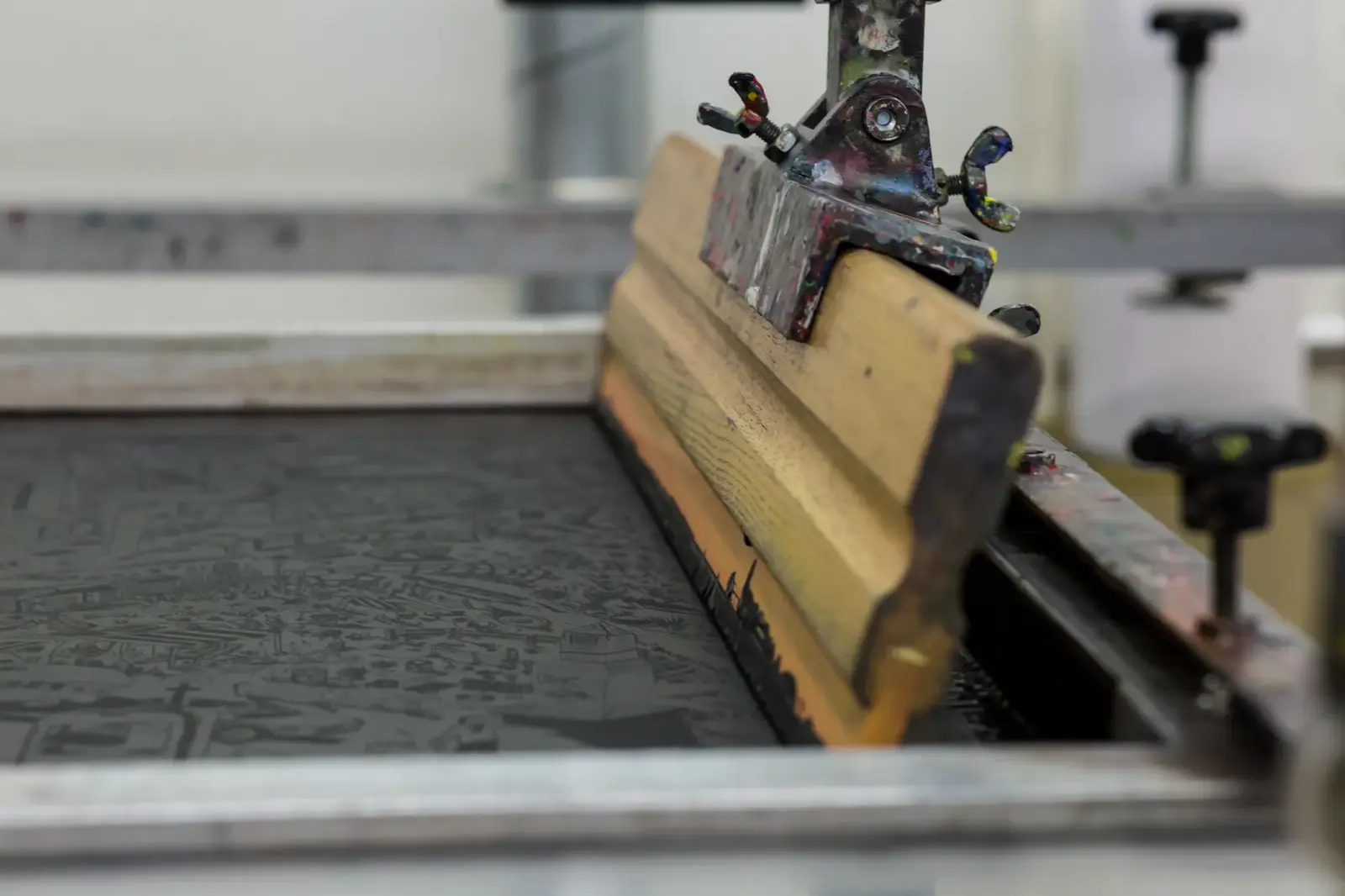
How you display names and branding on your shirts affects cost, appearance, and durability. The main options, embroidery, screen printing, heat transfer, and direct-to-garment printing, each have unique strengths. The best choice depends on your budget, style, and expected use.
Compare the methods below to decide which fits your embroidered employee name shirts or printed designs for large orders.
| Method | Appearance | Durability | Best For | Cost per Shirt | Suitability for Bulk Orders |
|---|---|---|---|---|---|
| Embroidery | Raised, professional look | High; withstands wash | Corporate, daily wear | Higher | Excellent, often required for large orders |
| Screen Printing | Flat, vivid colors | Moderate-High | Simple designs, events | Moderate-Low | Very efficient, scales well |
| Heat Transfer | Smooth, can print photos | Moderate | Highly detailed graphics, logos | Moderate | Good for short runs or variable designs |
| Direct-to-Garment | Soft, varied colors | Moderate | Complex, full-color artwork | Moderate | Best for smaller batch runs |
Embroidery offers a premium and durable finish, making it a top pick for corporate or long-term use. Though it costs more, it withstands frequent washing and looks professional. Screen printing is efficient for high-volume, simple designs, delivering bright colors at a lower price.
Heat transfer allows highly detailed images but may not hold up to heavy laundering. Direct-to-garment printing creates colorful, soft prints and works best for smaller batches. Whether you need embroidered or printed custom employee name shirts for work, choose a method that matches both intended use and your brand’s image.
Collecting Employee Information and Sizing
Getting accurate names and shirt sizes is essential for a successful employee name shirts bulk order. Mistakes at this stage often lead to delays, expensive reprints, or unhappy employees. These tips can help you organize the process:
- Use a central data platform, such as an online form, spreadsheet, or uniform management tool, so all information is in one place and easy to update.
- Give managers or team leaders clear instructions and deadlines, making them responsible for gathering correct spellings and sizes.
- Collect full legal names as recorded in HR systems to avoid confusion between nicknames and official names, especially where employee turnover is high.
- Standardize sizing with charts or samples. Many sizing errors happen when employees guess based on retail brands, which may differ from uniform suppliers’ measurements.
- Respect privacy and inclusivity: collect preferred names or pronouns and allow for sizing adjustments as needed.
- Set hard cut-off dates for submissions and communicate potential delays or extra costs for late additions.
- Double-check spelling, especially for embroidered shirts, since mistakes can be hard or impossible to fix after production.
Collecting all employee details early and in an organized way prepares your vendor for smooth production and prompt delivery.
Managing Brand Consistency Across Orders
Consistent branding on every employee name shirt is crucial for a unified company image. This builds trust, projects professionalism, and helps your business stand out.
Color matching and logo placement
Matching colors matters, especially for companies with strict branding. Using different print batches or decoration styles can cause noticeable color shifts. Always give Pantone or hex codes from your brand guide to designers and ask for a test print or sample.
Logo placement should follow your existing branding rules. Decide early if the logo goes above, below, or beside the name, and if the position changes by department. Uniform placement keeps the look consistent even as you reorder or refresh shirts.
Font and text style standards
Font and text style play a big role in legibility and brand impression. Refer to your corporate standards for approved font styles, sizes, and colors. Keep these consistent across all shirts and order batches to maintain visual unity.
Approvals and sign-off processes
Before ordering, set up a structured approval process. Involve your marketing team or decision-makers to review digital proofs and, where possible, physical samples. This step helps you catch deviations from the business uniform shirt ordering guide before production starts.
Staying focused on consistent branding means fewer mix-ups and stronger team identity.
Artwork Approval and Proofing Steps

A careful artwork approval process is essential before starting bulk production. These steps will guide you from design to final sign-off and prevent expensive mistakes:
- Submit Initial Design Files: Send high-resolution logos, color codes, and name lists to your apparel partner, following your business uniform shirt ordering guide.
- Receive Digital Proofs: Review mockups showing name and logo placement, colors, and fonts. Check all details match your requirements.
- Provide Feedback: Collect input from all stakeholders. Watch for typos, incorrect logos, and off-brand colors. Share changes before moving ahead.
- Approve or Request Revised Proofs: Move forward only after all corrections are made and approvals gathered. Some vendors offer physical samples at this stage for added confidence.
- Sign Off: The designated decision-maker gives final written approval, which authorizes full production and serves as a reference point for any issues.
- Monitor Production: Stay in regular contact with your vendor to address any unexpected questions or changes.
- Receive and Inspect Finished Goods: Check a random sample of the delivered shirts for accuracy before distribution.
Common mistakes include rushing through proof approvals, not involving the right people, or losing track of feedback. By staying organized, you can ensure every employee name shirt order matches your brand and expectations.
Bulk Ordering Logistics and Lead Times
Planning logistics is vital for smooth bulk orders. Production capacity, shipping timelines, and minimum quantities can vary widely by supplier and location.
- Set your required delivery date when you order and ask for an estimated timeline based on your batch size. Some suppliers offer rush services, but they may cost more or limit your customization options.
- Minimum order quantities depend on the technique and vendor. Embroidery often requires larger orders, while print methods may allow smaller runs.
- Production can take from a few days to several weeks, depending on volume and complexity. Include time for proofing and any revisions in your schedule.
- Regional differences can affect your decision. According to Grand View Research, Asia-Pacific made up 36.4% of global custom T-shirt printing revenue in 2024, highlighting the region’s importance for cost-effective, scalable production. Local suppliers, meanwhile, may offer faster shipping and simpler returns.
- Coordinate deliveries with big company events, onboarding, or uniform refreshes. Tell your team when to expect shipments and plan for distribution time after delivery.
With thoughtful planning and clear communication, your uniforms will arrive on time and in the right sizes, avoiding last-minute issues.
Planning for Reorders and Future Growth
Long-term uniform management means thinking beyond your first order. Teams grow, roles change, and new locations open, making it important to prepare for future needs.
Keep detailed records of every order, including approved artwork, style numbers, sizing breakdowns, and personalization instructions. Many companies use a shared folder or uniform management system so HR or team leads can access these files easily.
Choose suppliers who store digital templates of your previous orders. This cuts approval time and keeps each new batch consistent with your business uniform shirt ordering guide. Setting minimum stock levels for popular sizes and styles can help you avoid shortages when you need to reorder quickly.
Ask employees to update their sizing and information each year. Keeping everything current reduces waste from ordering incorrect sizes and ensures new orders fit right. Planning for growth this way keeps your team looking professional and your uniform program running smoothly.
Why Choose The Apparel Factory for Employee Name Shirts
Finding the right partner for bulk custom name shirts can turn a complicated task into a straightforward process. The Apparel Factory stands out with advanced personalization technology, detailed project management, and a strong focus on brand integrity.
- Our in-house embroidery, screen printing, and direct-to-garment options deliver embroidered employee name shirts or printed solutions that meet your quality and durability standards.
- We support your order from start to finish, offering hands-on guidance from concept and proofing to final sign-off, ensuring your order aligns with the most detailed business uniform shirt ordering guide.
- Our project management covers every stage of the employee name shirts bulk order: we provide data collection templates, handle proofing rounds, and coordinate delivery, all through a single contact point.
- Brand consistency is a top priority, reflected in our approach to color matching, logo placement, and standardized font styling for every batch and reorder.
- For growing businesses, we keep detailed order histories, templates, and approved artwork on file, making future orders easy and consistent.
- Trusted by national brands and fast-growing startups alike, The Apparel Factory meets tight deadlines, manages special requests, and supports ongoing inventory needs. Your team’s unity and professionalism start with custom employee name shirts for work tailored to your specifications.
Frequently Asked Questions
1. What information do I need to collect before placing an employee name shirt order?
Gather each employee’s legal name, preferred spelling, shirt size from the supplier’s chart, and any special decoration preferences. Accurate initial data prevents misprints and delivery issues.
2. How do I choose between embroidery and print for name shirts?
Weigh your preferred look, budget, and how often shirts will be worn. Embroidered employee name shirts provide a high-end, durable finish, while print methods offer a more economical solution for short-term or event use.
3. What is the minimum quantity for a bulk order of employee name shirts?
Minimums depend on supplier and decoration method, but most bulk orders start at 24 pieces. Confirm with your vendor, as screen printing and heat transfer can sometimes allow smaller orders.
4. How can I ensure all shirts match our brand guidelines?
Share clear brand standards, including color codes, logo files, and font specs. Ask for digital proofs or samples and have an internal reviewer approve each order.
5. What types of shirts work best for different employee roles?
Customer-facing staff often use polos or collared shirts with prominent names and logos. Warehouse teams may prefer comfortable T-shirts or sweat-resistant styles for active jobs.
6. How long does it usually take to receive a bulk order?
Turnaround times are typically two to six weeks, depending on order size, personalization, and demand. Start early and allow time for proofing and shipping, especially in busy periods.
7. What are the most common mistakes when ordering custom employee name shirts for work?
Mistakes usually involve collecting incomplete data, skipping artwork proofing, or failing to follow your business uniform shirt ordering guide. Careful planning and review help prevent issues.
8. How can I make future reorders easier for my business?
Keep thorough records of staff names, sizes, shirt styles, and approved artwork. Work with suppliers who offer digital templates to streamline repeat orders.
9. Are there special considerations for embroidered employee name shirts?
Embroidery is durable and looks polished, but accurate spelling and sizing are vital, since errors are difficult to fix. Complex logos may need to be simplified for better stitching results.
10. Is there a checklist to follow for business uniform shirt ordering?
Yes, a work uniform name shirt checklist covers defining shirt purpose, verifying sizes, confirming brand standards, reviewing artwork, setting deadlines, and planning distribution. Following it helps avoid costly mistakes.

Published on:
November 27, 2026