Buying wholesale t-shirts may seem simple, but many businesses make avoidable mistakes that waste money, time, and inventory. Retailers, corporate teams, and event organizers often overlook important details like fabric quality, sizing, style, and supplier reliability.
Investing in bulk t-shirts isn’t just about quantity, it’s about ensuring each shirt works for your purpose. From screen printing and embroidery to heat transfer designs, knowing how your shirts will perform in customization is essential.
This guide highlights the top 5 mistakes businesses make when buying bulk t-shirts and provides actionable tips to avoid them, including insights for successful custom t shirt printing for your organization or event.
Mistake 1: Overlooking Fabric Quality and Structural Composition
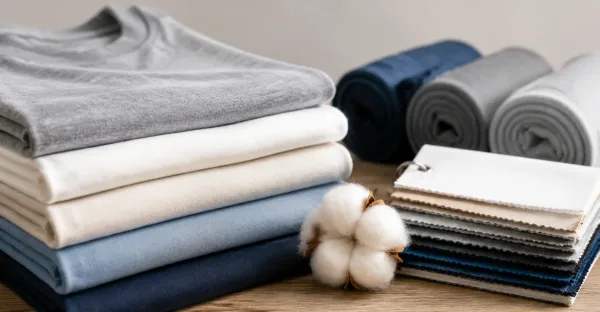
One of the biggest wholesale t-shirt mistakes is ignoring how a fabric actually feels and behaves after a few washes. Choosing cheap, open-end cotton leads to rough, scratchy shirts that shrink dramatically and lose their shape. For a premium retail feel, businesses should invest in combed ring-spun cotton or tri-blends (like the Bella + Canvas 3001 or Next Level 3600), which offer long-lasting softness and high-end durability for everyday wear.
The Impact: Poor quality shirts shrink dramatically and fade after a single wash. This directly damages your brand reputation, leads to bad customer reviews, and stops people from buying from you again.
Fabric Selection Tips
- Check the Fabric Weight: Always look at the fabric weight (GSM) to make sure the shirt is thick enough and will last.
- Use Ring-Spun Cotton: Pick combed ring-spun cotton because it’s softer, more comfortable, and prints stay longer.
- Match Fabric to Use: Use 100% cotton for everyday wear and poly-blends for sports or activewear.
- Test Color and Quality: Avoid cheap fabrics that feel rough, shrink a lot, or lose color after washing.
Mistake 2: Ignoring the Right T-Shirt Style for Purpose
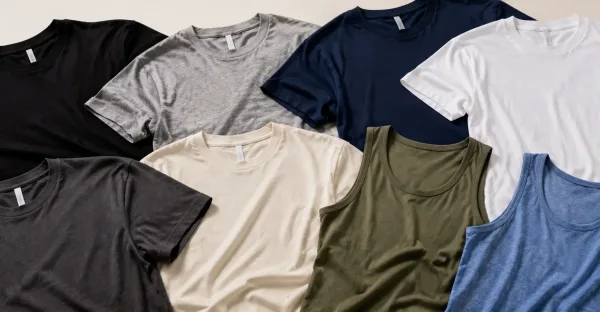
Ordering bulk shirts without considering the specific t-shirt silhouette and fit can be a costly error. Every audience has different expectations based on the occasion. For instance, a Gildan 5000 features a traditional, regular boxy tee cut that works well for casual corporate staff, volunteer events, or construction workwear. However, forcing that same boxy fit onto a younger, fashion-conscious demographic will lead to low engagement.
Instead, a streetwear brand or modern fitness line requires premium, fitted t-shirts like the Bella + Canvas 3001 or the Next Level 3600 crewneck. Choosing the wrong style whether you mistakenly buy sleeveless tees for a formal corporate event or stiff, regular tees for a summer gym promotion destroys user adoption and dramatically increases product returns.
The Impact: If you force a traditional, stiff boxy tee onto a younger, fashion-conscious crowd, they simply won’t wear it. This leaves you with dead inventory that doesn’t sell and spikes your product return rates.
Style Selection Tips
- Know Your Audience: Think about who will wear the shirts (age, gender, style) before choosing the design.
- Match Style with Purpose: Fitted tees are good for younger, fashion-conscious buyers. Boxy tees work well for casual corporate or school events.
- Offer Different Styles: Include tank tops or sleeveless tees for summer events, fitness brands, or outdoor screen printing promotions.
- Check Design Placement: The shirt style affects where you can put your print and how it looks.
Mistake 3: Skipping Proper Size Planning
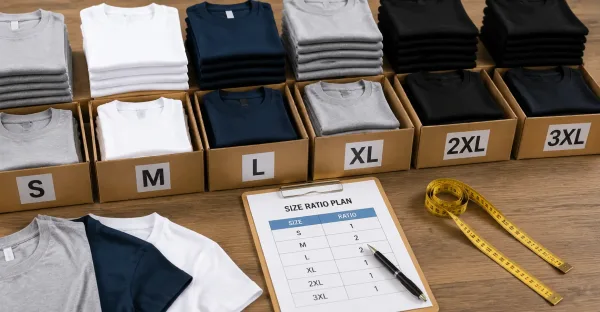
Size miscalculations are a major budget drain when buying bulk t-shirts. A common mistake is ordering equal quantities across all sizes without realizing that different brands follow entirely different fit standards. For instance, a Gildan 5000 has a traditional, loose classic fit, while a Bella + Canvas 3001 or Next Level 3600 follows a slim retail fit that runs smaller.
Blind guessing without checking brand-specific size charts leaves you with dead inventory in extreme sizes and shortages in popular fits. To protect your budget, always align your wholesale orders with standard t-shirt size ratios for printing (like the 1-2-2-1 ratio) and account for how each specific brand fits.
The Impact: Blind guessing leaves you with piles of unsold, dead stock in extreme sizes (like Small or 3XL) and immediate shortages in highly demanded fits like Medium and Large. This freezes your cash flow and costs you active sales.
Accurate Sizing Tips
- Don’t Order the Same Quantities: Don’t buy the same number of all sizes; people’s sizes vary.
- Use Data to Plan Sizes: Look at past sales or your target audience to plan sizes.
- Check Supplier Size Charts: Every brand measures differently. Always check their charts to avoid returns.
- Plan for Men and Women: Make sure your sizes and styles fit both male and female buyers.
Mistake 4: Choosing the Wrong Wholesale Supplier
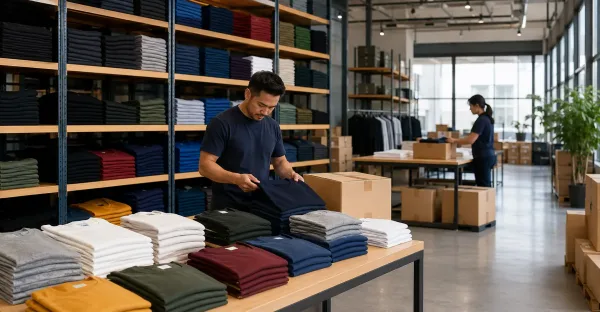
Choosing an unreliable wholesale t-shirt supplier can create serious problems for your business. Many companies make the mistake of partnering with unverified or low-tier suppliers who often run out of popular blank t-shirts. Running out of staples like Gildan 5000, Bella + Canvas 3001, or Next Level 3600 can halt production or sales entirely, causing costly delays and frustration.
To avoid these issues, always work with trusted wholesale clothing suppliers. Choose suppliers who maintain consistent stock of high-demand brand products, provide clear bulk pricing sheets, guarantee product quality, and offer reliable shipping. This ensures your blank t-shirts are always available when needed and your inventory pipeline runs smoothly.
The Impact: When a supplier unexpectedly runs out of staple blanks like the Gildan 5000 or Bella + Canvas 3001, your entire production or sales line halts. This causes costly delays, missed event deadlines, and broken client trust.
Choosing the Right Supplier Tips
- Calculate Total Cost: Include shipping, taxes, and any hidden fees, not just the price on the sheet.
- Check Trustworthiness: Read reviews, testimonials, and feedback to avoid problems with stock and communication.
- Look for Variety: Pick suppliers that offer many styles, sizes, and fabrics.
- Get Bulk Discounts: Work with suppliers that give discounts when you buy larger orders.
Mistake 5: Neglecting Fabric Compatibility with Customization Services
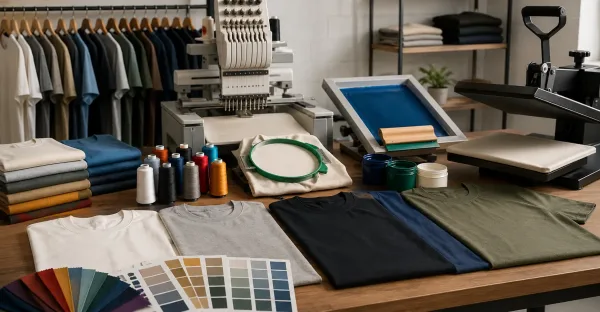
Even the best blank t-shirt can fail if the fabric composition isn’t suitable for your custom t shirt printing, screen printing, or embroidery. Many businesses make the mistake of buying the same fabric for all types of customization, which can ruin designs.Heavy silicone-treated fabrics or 100% polyester can cause dye migration, making screen printing messy.Thin or stretchy fabrics may wrinkle or distort embroidery, breaking the design alignment.
Use sturdy blanks like Gildan 5000 for traditional screen printing.Choose ring-spun cotton for DTG (Direct-to-Garment) printing or detailed embroidery to keep designs sharp, vibrant, and durable.
The Impact: Using the wrong fabric can cause ink to crack, colors to bleed (dye migration), or thin fabrics to warp under heavy embroidery needles. This can ruin an entire customized batch, forcing you to re-order and waste thousands of dollars.
T-Shirt Customization Success & Sampling Tips
- Order Samples First: Always test a single shirt before bulk ordering to check how the fabric handles embroidery needles or high heat during printing.
- Screen Printing & DTG: Use 100% ring-spun cotton for maximum ink absorption and bright, clear prints.
- Heat Transfer Services: Use poly-blends or polyester to bond vinyl or sublimation sheets perfectly without melting the fabric.
- Embroidery Services: Use thicker fabrics (higher GSM) like fleece or heavy cotton so dense stitches don’t tear or wrinkle the shirt.
- Run a Wash Test: Wash the customized sample multiple times to ensure screen printing doesn’t crack, heat transfer designs don’t peel, and embroidery backing remains comfortable.
How to Avoid Wholesale T-Shirt Mistakes
Purchasing bulk t-shirts successfully requires planning, testing, and research. Follow these steps:
- Create a bulk t-shirt ordering checklist for sizes, fabrics, and styles.
- Request sample orders to validate quality and print compatibility.
- Work with trusted wholesale t-shirt suppliers like Gildan, Bella + Canvas, or Next Level.
- Plan purchases using bulk discounts and total costs, including shipping.
- Choose fabrics and styles suitable for your target audience and custom t shirt printing needs, whether it’s screen printing, embroidery, or heat transfer.
Conclusion
Avoiding these common wholesale t-shirt mistakes ensures higher-quality products, satisfied customers, and smoother business operations. Prioritizing fabric composition, style selection, accurate sizing ratios, supplier reliability, and print compatibility will protect your profit margins especially when planning custom t-shirts.
For B2B businesses, event organizers, and corporate teams, The Apparel Factory provides premium blank t-shirts, wholesale shirts, and bulk apparel from top industry brands like Gildan, Bella + Canvas, and Next Level. Take advantage of tiered bulk discounts, fast shipping, and reliable quality to confidently stock your business or upcoming event.
Ready to scale your apparel inventory? Visit The Apparel Factory today to explore premium blank apparel wholesale options and place your next custom order with absolute confidence!
Frequently Asked Questions

Published on:
June 4, 2026