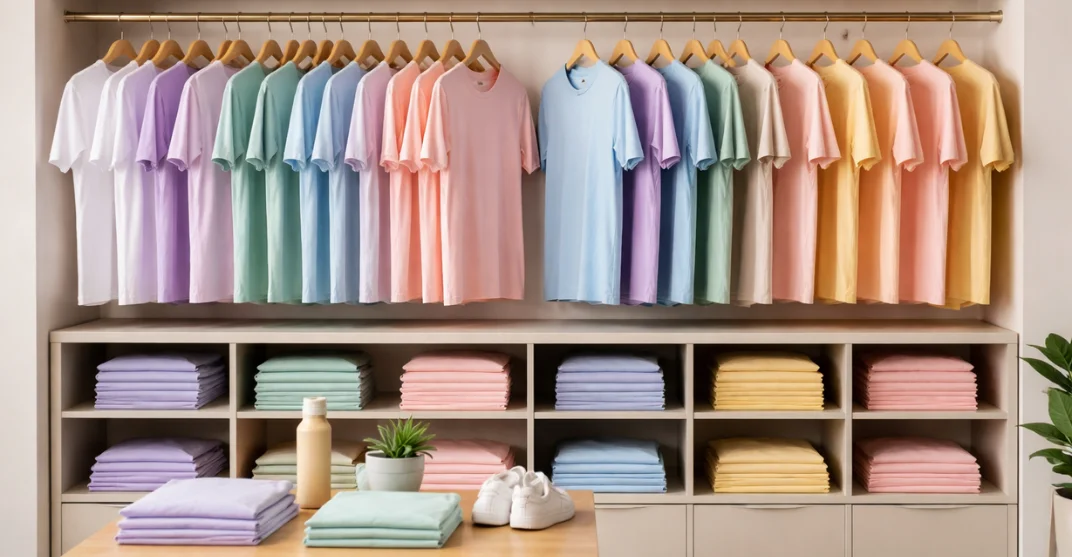
Fashion in the U.S. is shifting as the pastel color fashion trend continues to grow. People are moving away from loud, saturated tones and choosing clothing that reflects psychological calm and ergonomic ease. This shift is driving strong demand for the pastel fashion trend in 2026, where “softness” is equated with premium quality in the wholesale apparel market.
For small business owners, corporate teams, and event organizers, this trend offers a strategic advantage. Soft tones are now being utilized in high-end uniforms and everyday wear because they bridge the gap between a relaxed lifestyle and a professional impression.
What Is the Pastel Fashion Trend?
The pastel fashion trend focuses on clothing engineered in desaturated shades such as cerulean baby blue, spearmint green, and dusty blush pink. These calming colors create a minimalist visual anchor that works seamlessly for both casual street style and high-stakes professional settings.
Why Soft Colors Are Trending in the U.S.
Soft colors are dominating due to a shift toward sensory comfort and “Quiet Luxury.”
- Tactile & Sensory Comfort: Users prefer low-impact dyes and fabrics that feel physically lighter.
- Evolution of Minimalist Design: Clean and simple outfits are replacing heavy designs, especially in custom t-shirts.
- Gen Z & Alpha Influence: Younger generations prioritize “Aesthetic” coherence and mental well-being in their wardrobe.
The Business Value of Pastel Apparel
Modern enterprises are pivoting toward apparel that balances sophistication with utility. Recent fashion retail data from Statista indicates a rising consumer preference for “versatile basics” that work across multiple environments.
Furthermore, pastel apparel offers superior branding flexibility. Unlike dark bases, soft backgrounds allow logos to maintain high contrast, making it a sustainable choice for long-term brand identity.
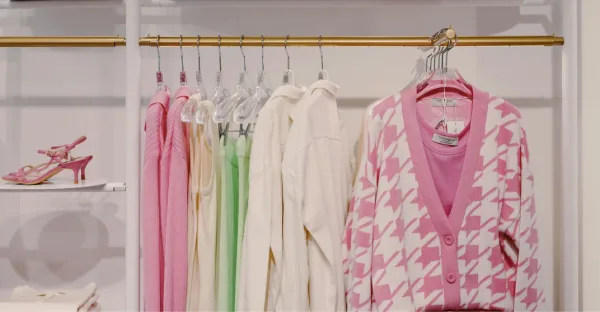
Pastel T-Shirts: The Most Practical Choice
Pastel t-shirts are the functional backbone of the 2026 fashion landscape. Their neutrality makes them a high-frequency garment that integrates into any wardrobe.
Technical benefits:
- Multi-Layer Compatibility: Ideal for layering under structured blazers.
- Professional Utility: Suitable for tech startups and custom screen-printed polos.
- Durability in Color: Advanced dyeing ensures pastels maintain their hue even after heavy washing.
Real-World Use Cases
- Corporate Teams: Using soft lavender and mint to reduce “visual fatigue” in offices.
- Event Organizers: Selecting pastel schemes to ensure high-definition photo clarity without “color bleed.”
- Retail Brands: Launching collections that cater to the sustainable activewear consumer.
Bold Colors vs Calm Colors: Which Style Works Best Today?
While bold colors demand attention, calm colors command respect. The 2026 trend supports Color Minimal Styling, where the goal is to create a cohesive look.
Why calm colors win:
- Reduced Visual Noise: Easier to process in fast-paced environments.
- Climate Adaptability: Lighter colors reflect heat, keeping teams cool.
Understanding Skin Tone Compatibility
One of the core reasons for the pastel surge is universal inclusivity. By categorizing colors via seasonal palettes—a concept refined by the Fashion Institute of Technology (FIT) brands can provide apparel for every employee.
- Light Olive Skin: Sage green and muted teal highlight natural undertones.
- Light Warm Skin: Peach and coral provide a radiant glow.
- Cool/Dark Skin Tones: Powder blue and soft lavender offer a crisp, professional contrast.
The Rise of Soft Aesthetic Fashion
The “Soft Aesthetic” movement integrates sub-trends like Soft Girl/Boy aesthetics into the mainstream. This reflects a shift toward effortless style that feels as good as it looks.
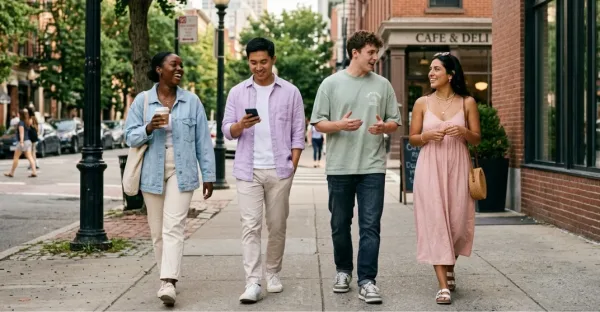
Styling pastels in 2026 is about effortless sophistication. Pair a pastel color t-shirt with neutral bottoms like beige or white for a balanced, modern look.
Pastel fabrics are the best canvas for professional screen printing and embroidery services. The absence of dark pigments allows for true-to-life color reproduction of corporate logos.
Why Fabric Matters in Pastel Apparel
The integrity of a pastel garment depends on its GSM (Grams per Square Meter).
- Mid-weight (180 GSM): Perfect for breathable summer collections.
- Heavyweight (240 GSM): Best for a premium “Luxury Streetwear” feel.
For a detailed breakdown, check our guide on 180 GSM vs. 240 GSM.
Common Mistakes to Avoid
- Over-Saturation: Mixing too many pastel shades in one look.
- Ignoring Quality: Using thin fabrics that lose structure and cause cracked screen prints.
Gen Z vs Millennials vs Professionals: Who Drives Pastel Fashion?
- Gen Z: Drives the trend via social media aesthetics.
- Millennials: Focus on clean, minimal looks for hybrid work.
- Professionals: Use soft tones to modernize the traditional business casual image.
Final Thoughts: Why Pastel Fashion Is Here to Stay
The 2026 shift reflects a permanent evolution toward intentionality and inclusivity. For businesses, providing scalable, customizable pastel solutions is the key to meeting modern consumer demands. Explore our collection at The Apparel Factory for quality solutions designed for long-term brand value.
Frequently Asked Questions

Published on:
April 14, 2026