Key Takeaways
- Blank apparel minimums define the smallest batch businesses can order from wholesalers or manufacturers.
- Minimum order quantities (MOQs) depend on garment style, brand, color, and size mix.
- Bulk blank apparel ordering lowers per-unit costs, but you must plan carefully to meet minimums.
- Custom apparel orders often have higher minimums than blank apparel due to setup and decoration costs.
- Knowing MOQs helps businesses, teams, and resellers optimize sourcing and avoid inventory issues.
Ordering blank apparel in bulk for your business, team, or brand requires close attention to minimum order requirements. These blank apparel minimums, set by suppliers or manufacturers, dictate the smallest quantity you can purchase for each product type. As a standard industry practice, minimums shape how companies handle sourcing plans and manage inventory. Anyone overseeing bulk blank apparel ordering needs to understand these requirements to avoid unexpected problems.
Most apparel wholesalers and factories now use blank apparel minimum order quantities to streamline production, control inventory, and provide efficient pricing. According to McKinsey, supply chain optimization remains a top priority for apparel businesses worldwide. In this article, you will find everything buyers need to know about blank apparel minimums: what they are, how suppliers set MOQs, the factors that influence them, and how they affect your purchasing. You will also discover how blank and custom apparel minimums compare, strategies for managing orders, common pitfalls to avoid, trends in sourcing, and the ways The Apparel Factory supports your business goals.
Understanding Minimum Order Quantities in Blank Apparel
Minimum order quantities, commonly called MOQs, are central to sourcing blank apparel for business purposes. Buyers navigating blank apparel minimums must deal with these requirements, whether working with wholesalers or custom apparel providers. Learning how MOQs work helps you make better purchasing decisions and improve supply chain efficiency.
What Is a Minimum Order Quantity?
A minimum order quantity sets the fewest items a supplier will sell for a certain style, color, or size. With blank apparel, you usually cannot order a single t-shirt or hoodie; instead, you must purchase at least the MOQ. Typically, MOQs for blank items are lower than for decorated items since blanks do not require setup, print, or embroidery. For example, blank t-shirt bulk orders might start at 12 or 24 units per style.
Decorated apparel MOQs are higher because custom designs, various ink or thread colors, and branded logos require more complex production. Suppliers need to justify setup investments by handling larger runs, which pushes up the minimums.
Why Do Suppliers Set Minimums?
Suppliers establish minimums for efficiency. Producing or picking small garment runs increases costs and ties up resources for little return. Wholesale operations are designed for batch processing, so tiny orders are less profitable and harder to manage.
Wholesale blank apparel minimums help streamline workflow, reduce inventory complexity, and protect margins. Without MOQs, suppliers would spend more time on administrative work, breaking up case packs, and handling one-off requests. Minimums also support inventory forecasting, limit leftover stock, and stabilize pricing throughout the supply chain.
How MOQs Affect Business Buyers
For business buyers, blank apparel minimum order quantities directly impact sourcing, budgeting, and inventory management. If your needs do not meet a supplier’s minimums, you may need to adjust your product mix, combine orders, or look for more flexible suppliers. Although higher MOQs lower per-item costs, they require accurate forecasting to avoid overstock and waste.
Apparel MOQ for businesses also affects how often you order and which products you choose. When making decisions, weigh the benefits of a better price per item against the risk of holding excess inventory.
Factors That Influence Apparel MOQs
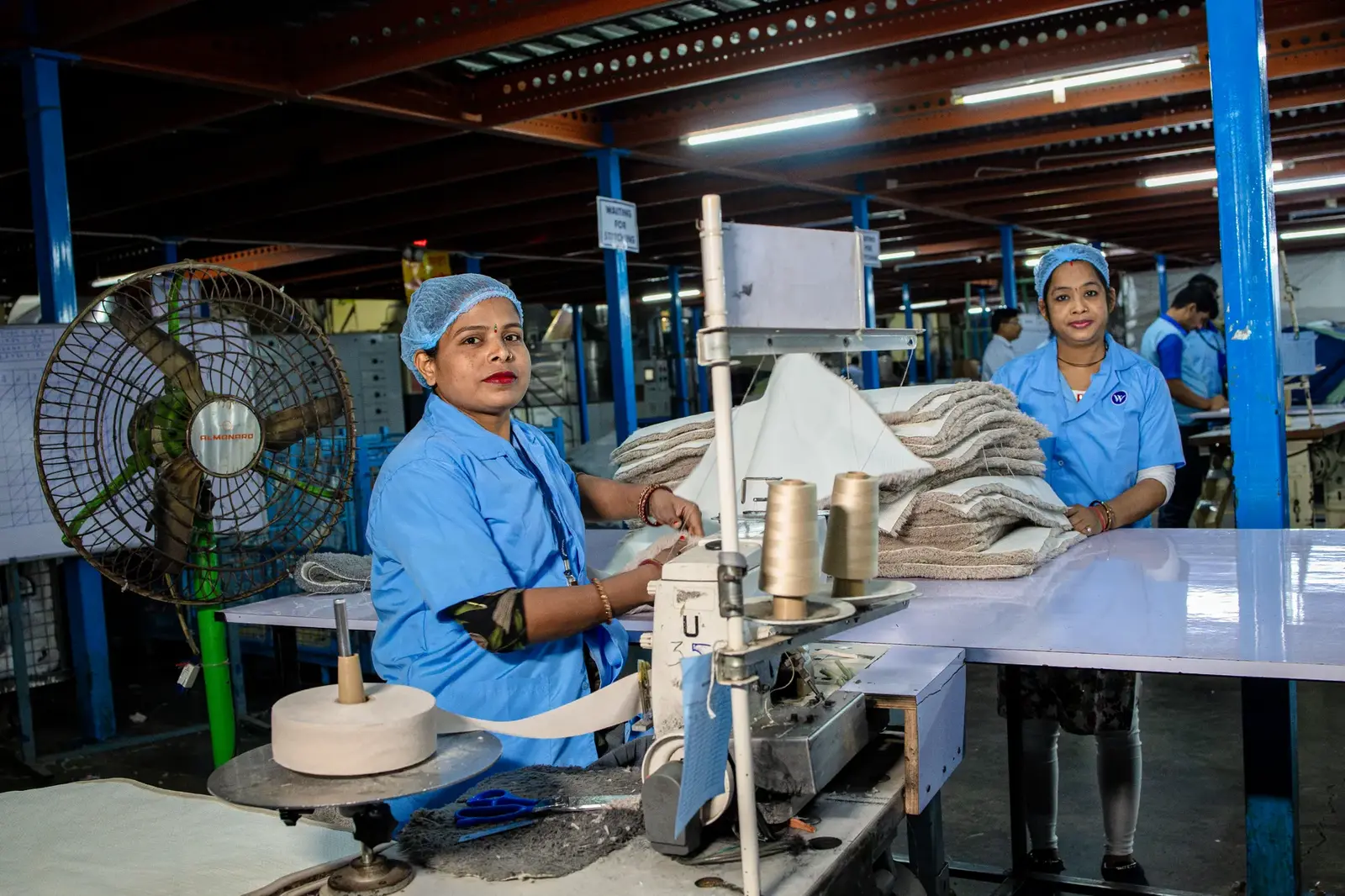
Crafting a sourcing strategy means understanding the different factors that shape apparel MOQ for businesses and wholesale blank apparel minimums. Each factor can impact your final costs and order size:
- Garment style: T-shirts, hoodies, polos, and hats all have their own typical minimums. T-shirts generally require lower minimums compared to premium outerwear or specialty items.
- Brand and supplier: Larger, well-known brands often set higher MOQs than private-label suppliers. The supplier’s size and distribution capabilities influence their minimums.
- Color and size mix: Many suppliers enforce minimums per color or size, not just for the total order. For example, you may need to order at least 12 units per color.
- Customization needs: Adding print, embroidery, or decoration increases minimums due to extra setup and labor. Managing custom requests adds complexity for the supplier. For more on customization, see apparel customization basics.
- Seasonality and inventory cycles: Off-season items may have lower minimums as suppliers look to clear inventory. Popular seasonal items can have higher minimums or limited ordering windows.
Selecting the right supplier, style, and color/size mix helps ensure your order meets your organization’s needs and all supplier requirements.
Comparing Blank and Decorated Apparel Minimums
Bulk apparel buyers soon learn that custom apparel order minimums vary by order type. Blank and decorated apparel each demand unique approaches, and knowing the reasons for these differences helps you plan and control costs.
Ordering blank t-shirt bulk orders compared to decorated garments can yield surprising differences in minimums. The table below outlines key distinctions:
| Order Type | Typical MOQ | Key Drivers | Common Scenarios |
|---|---|---|---|
| Blank T-Shirts | 12-24 | Inventory, packaging | Team basics, resale |
| Decorated Tees | 24-48+ | Setup, design, labor | Corporate events, branding |
| Bulk Hoodies | 12-24 | Cost, style, brand | Teamwear, retail |
Decoration adds steps like machine setup, design proofing, and manual intervention. If you change ink, thread, or artwork often, suppliers must reset machines, which costs time and money. As a result, they need larger orders for decorated apparel to cover these setup costs.
For projects with more complex decoration or unique design placements, custom apparel order minimums can climb even higher. When you order straightforward blank apparel, minimums remain lower because suppliers simply pick and pack your requested items with no extra processes.
How to Plan Efficient Bulk Orders
Bulk blank apparel ordering works best when you take a step-by-step approach. These five steps help you maximize value and avoid unnecessary inventory:
- Assess your needs by size, color, and style: Carefully estimate what your group, team, or brand requires. Build a detailed breakdown by product, color, and size to match demand closely.
- Review supplier MOQ charts before finalizing: Suppliers set minimums differently. Check their published charts or online tools to make sure your planned quantities meet all requirements.
- Group similar items to meet minimums: If styles or colors fall short of the minimum, consolidate your requests. Combining similar items helps you meet MOQs and avoid shortages.
- Consider future needs to prevent repeat small orders: Look ahead to upcoming events or restocking periods. Ordering a bit more now can save time and maintain supply.
- Coordinate company-wide orders: When multiple departments order separately, centralize purchasing whenever possible. This way, everyone benefits from volume discounts and meets supplier minimums together.
By following these steps, you can streamline bulk blank apparel orders and reduce the risk of waste or stockouts.
MOQ Considerations for Teams, Resellers, and Brands
Blank apparel minimums vary by buyer type, so teams, brand owners, and resellers each need a tailored approach to planning and managing orders.
Corporate Teams and Events
Corporate teams often need uniforms, branded gear, or coordinated outfits for projects and events. Planning around wholesale blank apparel minimums early helps prevent shortages or leftover stock. Team organizers should gather input from every department to ensure the final order meets all style minimums and fits everyone’s needs. For event-related needs, see bulk custom apparel events.
Clothing Brand Owners
For brand owners, especially those just starting out, apparel MOQ for businesses sets the groundwork for launching and managing collections. Sourcing strategy should focus on likely sales for each size and color, while avoiding overcommitting to items with uncertain demand. Strong inventory management enables brands to balance variety, free up capital, and keep their lineup fresh.
Resellers and Print Shops
Resellers, including print shops and small retailers, face challenges balancing customer choice with supplier minimums. Wholesale blank apparel minimums can make it hard to offer wide selections without tying up capital in slow sellers. These buyers often work with multiple suppliers, meeting MOQs on popular items in larger quantities and special-ordering less common products by client request or pre-order.
Managing Inventory and Avoiding Overstock
Managing blank apparel minimum order quantities and inventory is crucial when you order in bulk. Good inventory practices keep your program profitable and efficient. Consider these strategies:
- Forecast demand: Check sales or participation figures from past orders. Base your next order on realistic projections.
- Negotiate flexible MOQs: Some suppliers may offer tiered minimums or exceptions for loyal buyers, particularly if you combine several products.
- Diversify suppliers: Work with more than one wholesaler or manufacturer to spread risk and find the right brands and styles for your needs.
- Plan for storage: Make sure your warehouse or office has space for large shipments. Proper storage protects your investment and keeps orders organized on arrival.
These steps help prevent overstock, minimize wasted spending, and allow you to adapt as demand shifts.
Common Mistakes When Ordering Blank Apparel in Bulk
Even experienced buyers run into trouble if they overlook the details of blank t-shirt bulk orders or custom apparel order minimums. Watch out for these common mistakes:
- Underestimating MOQs: Forgetting that minimums may apply to each style, color, or size is a frequent pitfall. Double-check requirements before ordering.
- Over-ordering: Chasing price breaks by buying large quantities can lead to wasted stock if sales fall short. Always balance savings with realistic needs.
- Ignoring hidden costs: Shipping, storage, customs, and setup fees can push actual costs higher than initial quotes. Factor in every expense when calculating ROI.
- Poor coordination: When departments order separately, companies miss volume discounts and risk duplicating SKUs or building up unnecessary inventory.
By spotting these issues early, you can make ordering smoother and protect your bottom line.
Trends in Blank Apparel Sourcing for Businesses
Apparel sourcing continues to shift as business buyers seek greater efficiency and flexibility. Staying aware of these trends can help you optimize your approach to blank apparel minimums and apparel MOQ for businesses.
- Shorter production runs: New technology in 2026 lets suppliers offer lower MOQs for some products, especially for digital-first or regional brands.
- On-demand fulfillment: The growth of print-on-demand and automated decoration services means some SKUs can be ordered with little or no minimum.
- Sustainability: Companies now often choose eco-friendly sourcing. Suppliers offering organic, recycled, or fair labor apparel may use different or more flexible minimums.
- Digital ordering platforms: Online tools and enterprise software have made it easier for buyers to manage orders, track inventory, and combine demand across locations, making compliance with minimums simpler.
Following these trends opens new possibilities for cost savings and sustainable sourcing. For a detailed overview, see 2026 wholesale apparel trends.
How The Apparel Factory Supports Efficient Bulk Ordering
Business clients expect far more than just a price list and a catalog. The Apparel Factory solves wholesale blank apparel minimums, custom apparel order minimums, and bulk blank apparel ordering challenges with solutions focused on your business needs.
Flexible Minimums for Business Clients
The Apparel Factory offers flexible minimums, understanding that order volumes can vary. This means you do not have to buy more than you need for the sake of meeting a set number. For core basics and bestsellers, MOQ requirements can be adapted to your usage, maximizing your budget and your product mix.
Expert Guidance on Sourcing and Decoration
Sorting through blank apparel choices and decoration options can be confusing. The Apparel Factory’s team provides expert advice to help you balance styles, colors, and sizes within supplier MOQ rules. Dedicated account managers help you optimize orders, answer technical questions about fabrics and decoration, and develop sourcing strategies for branded programs, uniforms, or retail projects. Learn more about their rush order services to meet tight deadlines.
Streamlined Ordering and Logistics
With online ordering platforms and real-time inventory updates, The Apparel Factory makes bulk blank apparel ordering straightforward. Clients benefit from inventory transparency, order tracking, and organized shipping. This ensures your orders arrive on time and complete, even as minimums or product lines evolve.
Through this customer-first approach to blank apparel minimums and order planning, The Apparel Factory enables business buyers to source with confidence and efficiency.
FAQ
1. What are blank apparel minimums and why do they matter for business buyers?
Blank apparel minimums define the smallest quantity you can order from a supplier. They matter because they shape pricing, inventory planning, and sourcing choices for your business.
2. How do minimum order quantities differ between blank and custom apparel?
Custom apparel orders tend to require higher minimums due to setup and decoration efforts. Blank apparel minimums remain lower because they involve no customization.
3. Can I mix sizes and colors to meet a supplier’s MOQ?
Many suppliers let you mix sizes and colors within a style, but some enforce minimums per color or size. Always check each supplier’s policy.
4. What is the typical MOQ for blank t-shirt bulk orders?
Typical MOQs for blank t-shirts range from 12 to 24 pieces, though this varies by supplier, style, and brand.
5. How do MOQs affect apparel sourcing for small clothing brands?
MOQs can limit flexibility and increase risk for small brands, so careful collection planning and storage consideration are essential.
6. Are wholesale blank apparel minimums negotiable?
Some suppliers will adjust MOQs for repeat customers or larger orders. It is worthwhile to ask about flexible options.
7. What are common mistakes when ordering blank apparel in bulk?
Buyers often underestimate MOQs, over-order to get discounts, or miss hidden expenses like shipping or storage.
8. How does bulk blank apparel ordering benefit businesses?
Ordering in bulk lowers per-unit costs and streamlines logistics but requires accurate planning to avoid extra inventory.
9. Do custom apparel order minimums change for specialty items?
Yes, specialty items like embroidered jackets or performance gear usually have higher minimums due to complex production needs.
10. How can The Apparel Factory help businesses manage MOQs?
The Apparel Factory offers flexible minimums, expert sourcing support, and an easy ordering process to help businesses meet their needs efficiently.

Published on:
November 25, 2026