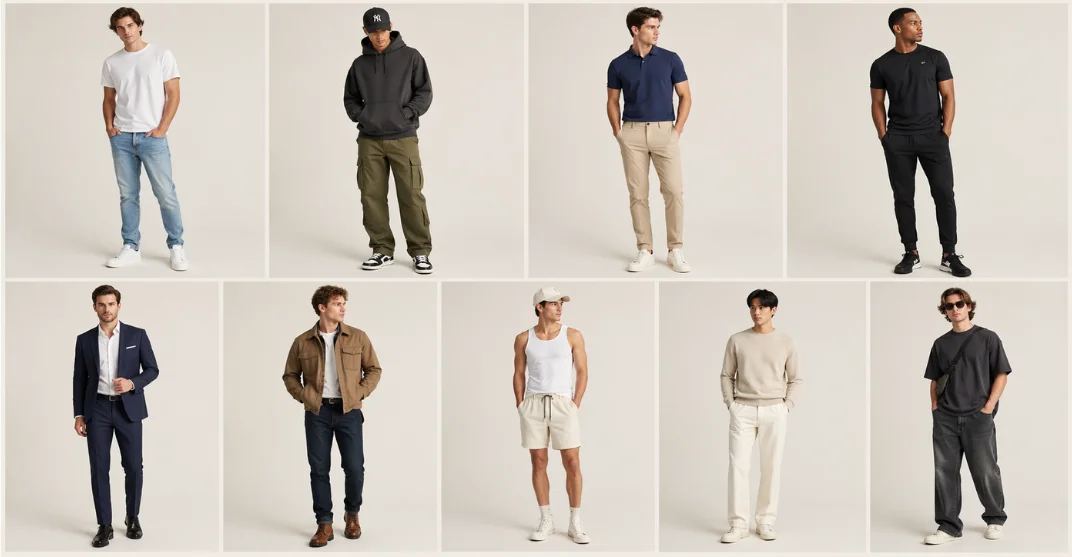
Fashion in the U.S. B2B sector is undergoing a seismic shift. Modern businesses are pivoting from “standard issue” uniforms to identity-driven apparel. Today’s corporate wardrobe must balance aesthetic appeal, brand alignment, and high-performance durability.
Whether you are a small business owner, a corporate procurement manager, or a large-scale event organizer, your apparel strategy is a direct reflection of your brand’s professionalism. This guide analyzes the 15 dominant clothing movements across the U.S. market, mapped to high-demand products for your business.
1. Athleisure Wear
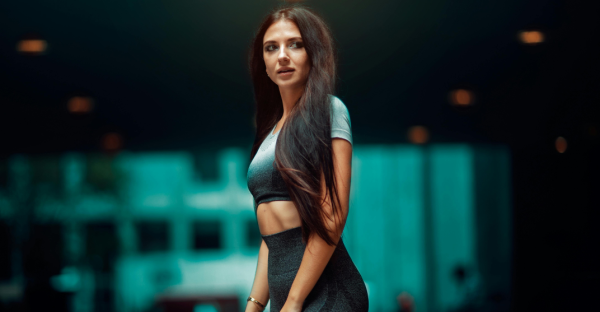
Athleisure is the intersection of high-performance sportswear and professional aesthetics. Using moisture-wicking and 4-way stretch fabrics, this movement prioritizes transition-ready clothing that works from the gym to the boardroom.
Products to use:
- Performance T-Shirts: Engineered with antimicrobial finish for all-day freshness.
- Comfort Hoodies: Mid-weight fleece ideal for versatile layering.
- Relaxed Fit Sweatpants: Ergonomic designs for maximum mobility.
- Lightweight Shorts: Breathable mesh or ripstop for high-activity days.
- Smart Casual Polo Shirts: Performance piqué that keeps a crisp collar look.
Best for: Tech startups, fitness franchises, and active service teams.
2. Streetwear Fashion
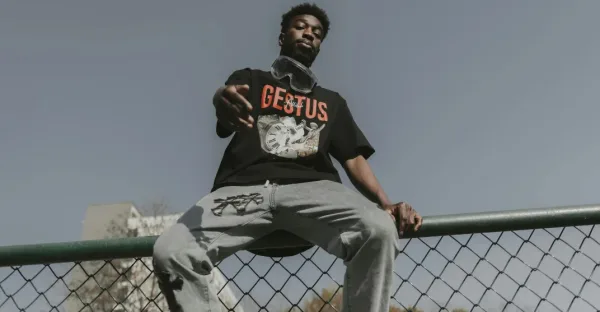
U.S. streetwear is dominated by “Drop-Culture” aesthetics bold silhouettes and heavy-weight fabrics that resonate with Gen Z and Millennial audiences. It’s about making a statement through volume and graphic impact.
Products to use:
- Graphic T-Shirts: Heavy-duty cotton (6oz+) for a premium, structured feel.
- Oversized Hoodies: Drop-shoulder designs that maximize branding real estate.
- Casual Sweatshirts: Boxy fits that align with urban fashion trends.
- Relaxed Fit Shorts: Street-ready styles with utility pockets.
Best for: Lifestyle brands, creator merch, and modern marketing agencies.
3. Casual Wear
The “New Standard” in American daily life focuses on high-quality basics. This movement emphasizes soft-wash fabrics and timeless cuts that offer effortless versatility for staff and retail environments.
Products to use:
- Everyday T-Shirts: Ring-spun cotton for superior softness and printability.
- Smart Casual Polos: Blended fabrics that resist pilling and fading.
- Cozy Sweatshirts: Essential layering pieces for climate-controlled environments.
- Comfort Hoodies: Versatile silhouettes for all-season wear.
- Lightweight Shorts & Tank Tops: Optimized for summer promotions and outdoor staff.
Best for: Hospitality staff, retail employees, and casual event crews.
4. Business Casual Wear
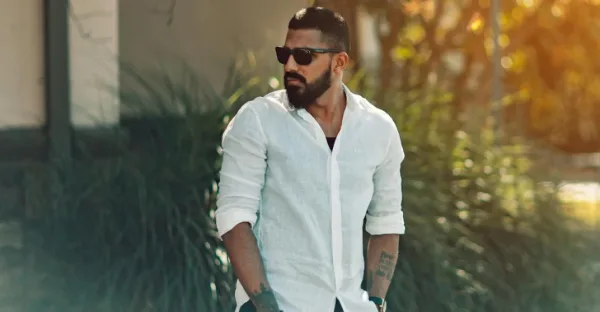
Traditional formal wear has been replaced by “Professional Comfort.” This trend focuses on structured yet flexible garments that maintain executive authority without the restriction of a suit.
Products to use:
- Professional Polo Shirts: High-stitch density for a sharp, embroidered logo.
- Classic Dress Shirts: Wrinkle-resistant finishes for a low-maintenance professional look.
- Smart Casual T-Shirts: Tailored fits that can be layered under blazers.
- Structured Jackets: Soft-shell or Harrington styles for polished branding.
Best for: Client-facing teams, corporate offices, and real estate professionals.

5. Sportswear
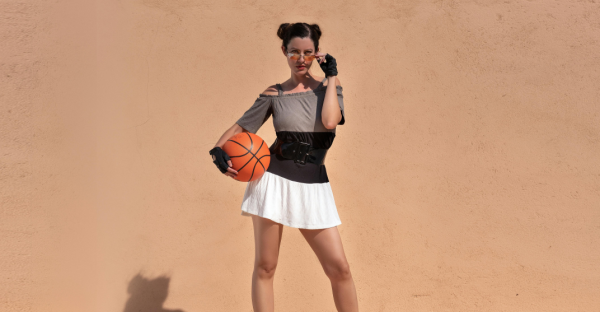
The focus here is on Unity and Aerodynamics. Team-based apparel in the U.S. now utilizes UV protection and advanced ventilation to support peak performance while maintaining a cohesive visual identity.
Products to use:
- Performance T-Shirts & Tanks: Built with flatlock seams to prevent chafing.
- Athletic Polos: Moisture-management technology for coaching and sideline staff.
- Flexible Shorts & Durable Pants: High-tensile strength fabrics for rigorous training.
- Team Hoodies: Sublimation-friendly materials for vibrant team colors.
Best for: Educational institutions, sports leagues, and corporate wellness programs.
6. Workwear
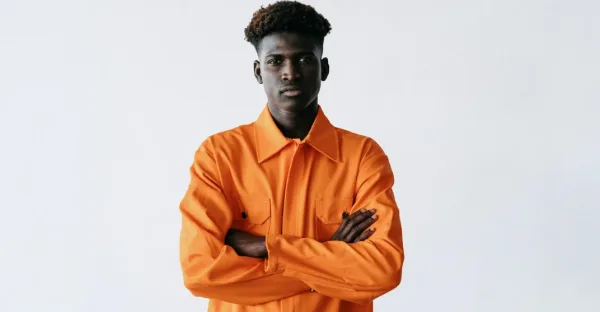
In industrial and field settings, durability is a safety requirement. Modern U.S. workwear integrates reinforced stitching and specialized coatings to withstand abrasive environments and harsh weather.
Products to use:
- Durable Work Shirts: Reinforced pockets and heavy-duty twill.
- High-Visibility Vests: ANSI-compliant reflective materials for site safety.
- Protective Jackets & Coveralls: Weather-resistant shells for industrial longevity.
- Flexible Work Pants: Gusseted crotch and triple-stitching for long-shift comfort.
Best for: Construction, logistics, manufacturing, and field engineering.
7. Minimalist Fashion
The “Quiet Luxury” of business apparel. This movement focuses on a “less is more” approach neutral palettes (Earth tones, Navy, Charcoal) and subtle branding that prioritizes quality over flashiness.
Products to use:
- Clean Design T-Shirts: Minimalist cuts with hidden seams.
- Simple Style Polos: Tonal embroidery for sophisticated branding.
- Minimal Sweatshirts & Hoodies: Clean lines without excessive drawstrings or hardware.
- Comfort Fit Pants: Streamlined silhouettes for a contemporary look.
Best for: Premium startups, boutique hotels, and design-focused brands.
8. Custom Apparel
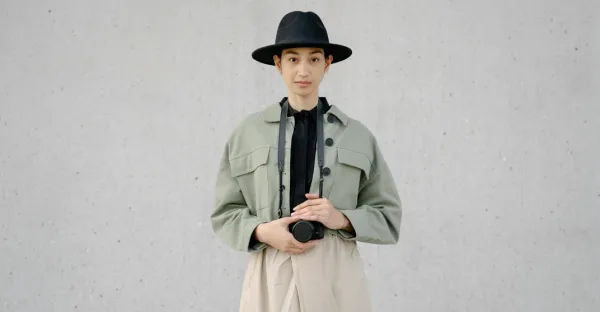
Customization is the core of B2B brand equity. In the U.S., businesses are moving toward high-end decoration techniques like 3D Embroidery and Screen printing for a premium finish.
Products to use:
- Custom T-Shirts: High-surface-area canvases for maximum brand exposure.
- Embroidered Polos: The industry gold standard for corporate longevity.
- Custom Hoodies & Jackets: Premium outerwear that doubles as walking billboards.
- Branded Tank Tops: Cost-effective solutions for summer marketing campaigns.
Best for: Promotional events, brand launches, and long-term corporate identity.
9. Oversized Fashion
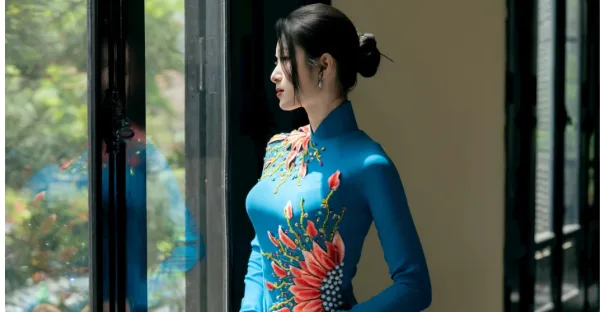
Reflecting the influence of “90s Revival” and “Skate Culture,” oversized fashion provides a relaxed silhouette that is highly popular in urban hubs like New York and L.A.
Products to use:
- Relaxed Fit T-Shirts: Dropped shoulders and wider sleeves.
- Oversized Streetwear Hoodies: Heavyweight fabric (10oz+) for a structured “boxy” look.
- Loose Fit Sweatshirts & Pants: Composed of high-density jersey for a premium drape.
Best for: Youth-oriented brands, music merch, and creative collectives.
10. Activewear Performance Wear
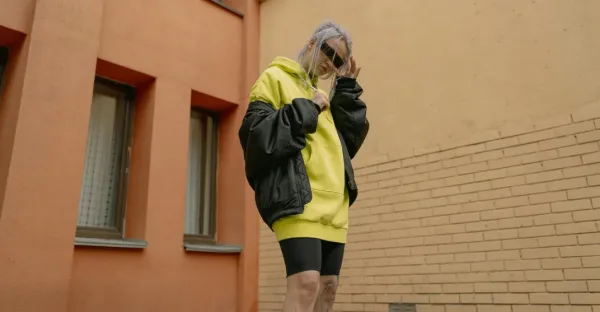
Technical precision defines this category. These garments are designed for high-intensity movement, featuring laser-cut ventilation and silver-ion technology for odor control.
Products to use:
- Performance T-Shirts & Tanks: Ultra-lightweight fabrics for thermal regulation.
- Flexible Training Shorts: 4-way stretch panels for unrestricted movement.
- Performance Pants & Jackets: Weather-resistant tech-wear for outdoor training.
Best for: Personal trainers, outdoor adventure groups, and physiotherapy clinics.
11. Corporate Uniform Fashion
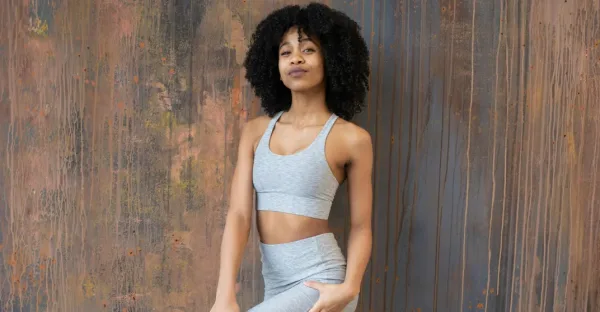
The modern uniform is “Style-First.” Businesses are opting for pieces that employees would choose to wear even outside of work hours, which significantly boosts brand morale and retention.
Products to use:
- Professional Polos: Modern, slim-fit silhouettes.
- Classic Dress Shirts: Non-iron technology for busy professionals.
- Smart Corporate Jackets: Quilted or soft-shell designs that look premium.
- Comfort Fit Sweatshirts: Elevating the office casual aesthetic.
Best for: Franchises, banking institutions, and hospitality management.
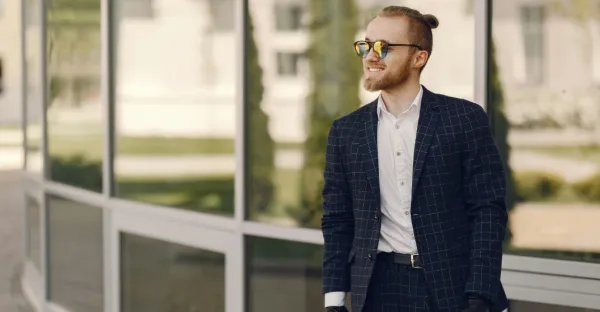
12. Outerwear Fashion
Functionality meets fashion in the outerwear sector. Layering is essential for the varied U.S. climate, focusing on windproof, waterproof, and insulated materials that don’t compromise style.
Products to use:
- All-Weather Jackets: Multi-layer protection (hardshell vs. softshell).
- Warm Fleece & Puffer Jackets: Down-alternative insulation for cruelty-free warmth.
- Lightweight Vests: Ideal for transition seasons and indoor-to-outdoor shifts.
Best for: Delivery services, outdoor event staff, and cold-region businesses.
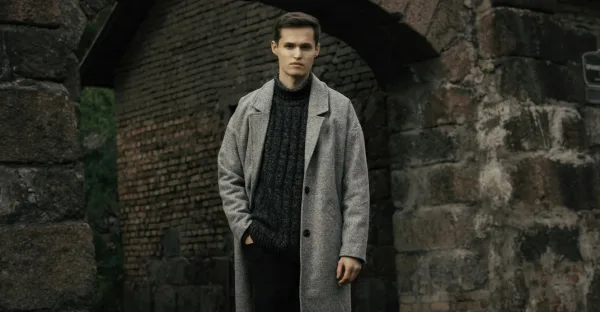
13. School Wear
Educational branding creates a sense of belonging. The focus here is on Durability and Washability, ensuring that uniforms can survive the daily rigors of student life while maintaining color integrity.
Products to use:
- Classic Polos & T-Shirts: Piqué fabrics that hold shape after 50+ washes.
- Warm Sweatshirts & Hoodies: Pill-resistant fleece for long-term school spirit.
- Durable Pants & Shorts: Reinforced knees and elastic waistbands for comfort.
Best for: Private schools, universities, and youth summer camps.
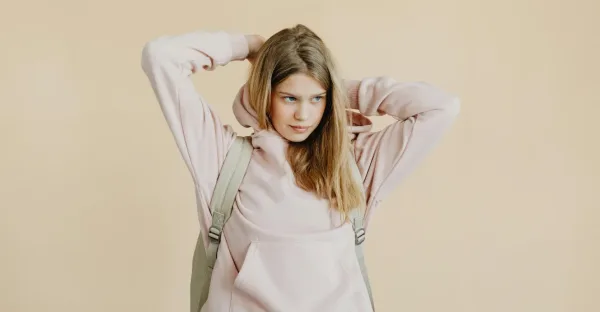
14. Seasonal Wear
A proactive apparel strategy accounts for the “Four Seasons.” Adapting your brand’s wardrobe to the weather ensures your team stays productive and comfortable year-round.
Products to use:
- Summer Essentials: Tank tops and lightweight T-shirts (3.5oz to 4oz).
- Winter Essentials: Insulated parkas and heavy-weight fleece.
- Transitional Gear: Breathable jackets and mid-weight hoodies.
Best for: Seasonal festivals, tourism businesses, and agriculture.
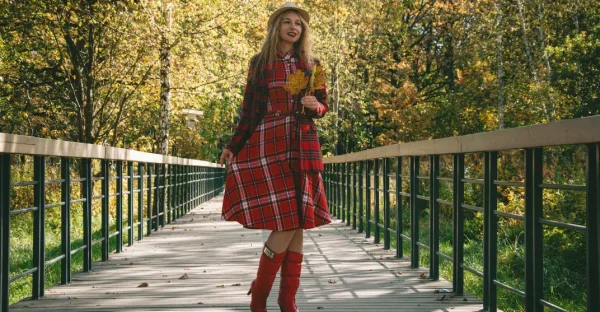
15. Sustainable Fashion
Eco-consciousness is no longer a niche it’s a requirement. U.S. consumers are 75% more likely to trust brands that use Organic Cotton, Recycled Polyester (rPET), and Carbon-Neutral manufacturing.
Products to use:
- Eco-Friendly T-Shirts: Made from organic cotton or bamboo blends.
- Sustainable Polos & Hoodies: Utilizing recycled ocean plastics or post-consumer waste.
- Recycled Sweatshirts: High-quality warmth with a low environmental footprint.
Best for: Non-profits, green-tech companies, and socially responsible corporations.
Real-World Insight for B2B Buyers
The U.S. market has moved toward Hybrid Apparel clothing that serves multiple functions.
- Startups: Focus on Minimalist + Athleisure for a modern, agile vibe.
- Blue Collar: Combine High-Durability Workwear + High-Vis Safety gear.
- Events: Prioritize Custom Streetwear + Seasonal layers for high engagement.
Practical Buying Tips
- Fabric Weight: Choose GSM (Grams per Square Meter) based on climate and use case.
- Decoration Method: Use embroidery for longevity; use screen printing for large-scale cost efficiency.
- Inventory Scalability: Partner with suppliers like The Apparel Factory who offer deep stock levels for consistent re-ordering.
Frequently Asked Questions

Published on:
April 24, 2026