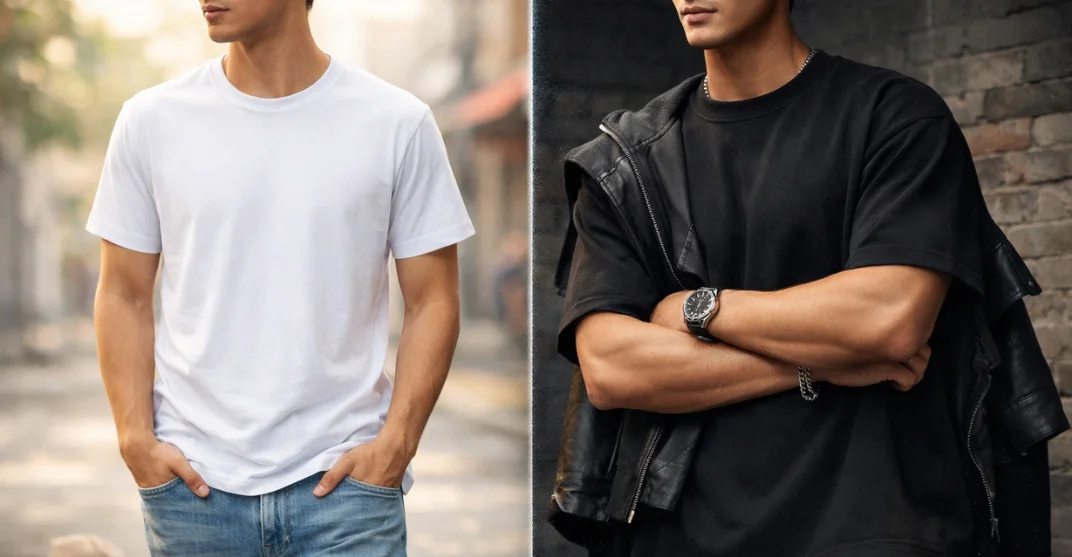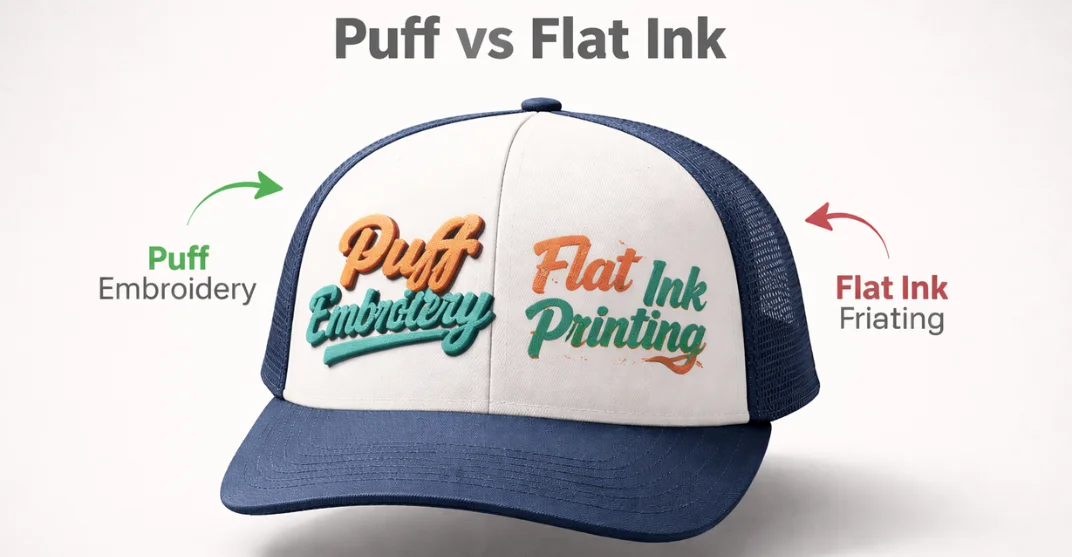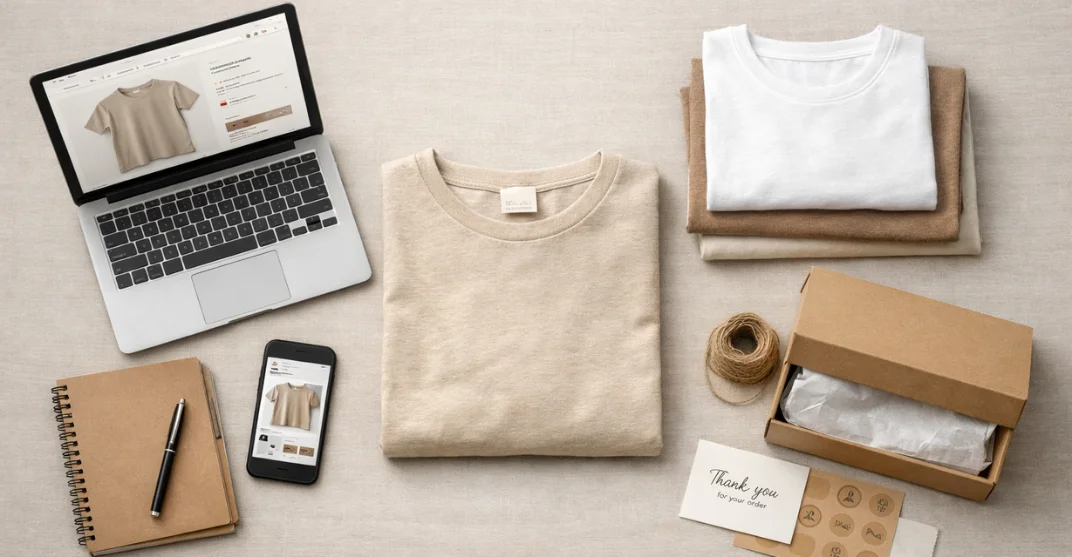
Starting a clothing line in 2026 with a $500–$1,000 budget is possible by choosing a micro-niche, using AI-driven fashion design tools, sourcing affordable wholesale blank apparel, and selling through TikTok Shop and Instagram V-Commerce. Focus on low inventory, sustainable materials, and print-on-demand or small-batch production to reduce risk and maximize profit.
Step 1: Pick a Micro-Niche That Sells (Not Just Looks Cool)
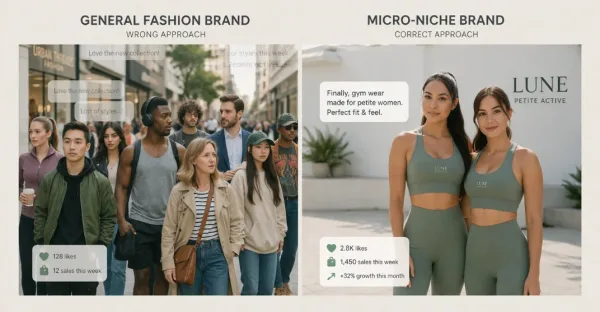
Most new fashion brands fail quickly because they try to target everyone instead of a specific audience with clear intent. Micro-niche brands, on the other hand, grow faster because they solve a very specific need for a defined group of people. According to Shopify, niche-focused brands consistently perform better due to targeted demand and clearer positioning.
Instead of going broad like “streetwear,” you need to go deeper and more focused:
- Gym wear designed specifically for petite women who struggle with sizing, (you can explore options like performance t-shirts)
- Minimalist Islamic fashion for everyday comfort and modest style
- Eco-friendly oversized tees for sustainability-focused buyers
- Gaming or anime-inspired apparel for dedicated fan communities
This is how you build a low-cost apparel business that attracts the right audience and converts better.
Why this matters in 2026:
You face less competition compared to saturated fashion categories
Your messaging becomes clearer, making marketing easier and more effective
Your content performs better on platforms like TikTok and Instagram because it speaks directly to a specific audience
When your niche is clear, your brand instantly feels more relevant, which helps you grow faster even with a limited budget.
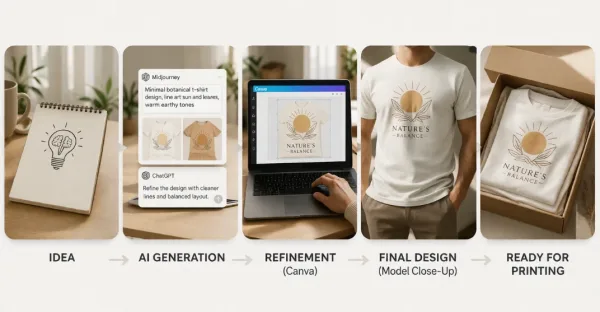
Step 2: Use AI-Driven Fashion Design (Save Time & Money)
Today, you don’t need to hire expensive designers or spend months creating concepts from scratch, because AI tools now allow you to generate high-quality apparel designs in minutes with minimal cost. This makes it easier for beginners to enter the market without technical skills.
You can use tools like:
- Midjourney to generate unique and creative graphics based on simple prompts
- ChatGPT to create catchy slogans, brand ideas, and design concepts that match your niche
- Canva to refine your designs, adjust layouts, and prepare files for printing
This approach is known as AI-driven fashion design, and it is becoming a major advantage for every new clothing brand in 2026.
Why this works:
- It saves both time and money compared to hiring designers
- It allows you to test multiple design ideas quickly without extra cost
- It gives you creative flexibility to experiment and find what your audience likes
Pro Tip:
Start with 5–10 strong designs instead of creating too many options, so you can test what sells and focus your budget on products like custom t-shirts or tank tops to test demand efficiently.
Step 3: Source Smart with Wholesale Blank Apparel
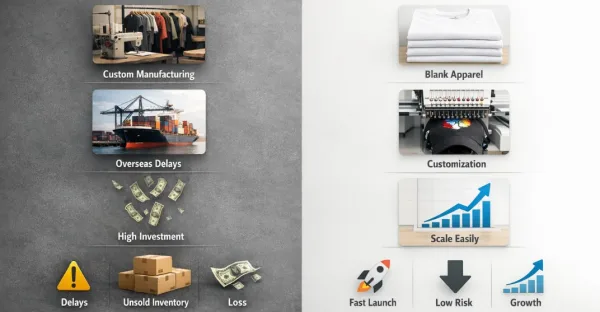
This is the stage where most beginners end up spending too much money or making costly mistakes, especially when they try to manufacture products from scratch without understanding the actual demand or production process. Instead of going that route, you should focus on sourcing wholesale blank apparel, which is faster, safer, and much more budget-friendly.
Avoid these common mistakes:
- Starting full custom manufacturing with high minimum order quantities that lock your cash
- Working with overseas suppliers that cause delays and quality issues
- Investing heavily in inventory without testing your designs first
Instead, choose wholesale blank apparel that is ready for customization and easy to scale.
Why this works:
- You eliminate the need for expensive production setup and development costs
- You can launch faster because products are already made and ready to print
- You reduce risk by investing only in small batches and scaling based on demand
Best move: Choose trusted suppliers like The Apparel Factory, where you can source products such as: blank t-shirts, polo shirts and hoodies & sweatshirts.
They help you:
- Access premium blanks at true wholesale pricing, keeping your startup cost low
- Add screen printing, embroidery, or DTF customization without heavy setup investment
- Avoid beginner mistakes by guiding you through sizing, placement, and production
This approach is one of the smartest ways to build a sustainable clothing start-up 2026, because it keeps your operations lean while maintaining product quality.
By sourcing smart from the beginning, you create a strong foundation that allows you to scale your brand confidently without unnecessary financial pressure.
Step 4: Start Small with Lean Production
One of the biggest mistakes new clothing brands make is investing too much money into large inventory without validating whether their designs will actually sell in the market. Consequently, many founders find themselves stuck with deadstock and depleted capital.
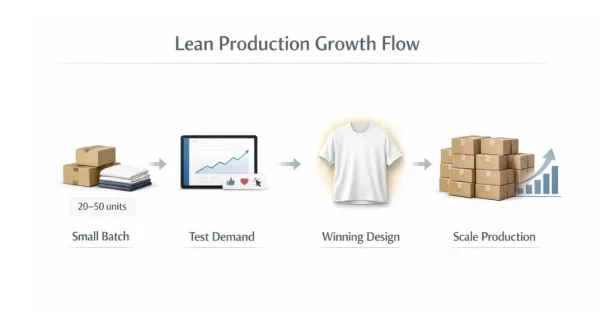
In contrast, smart founders in 2026 focus on lean production. This approach means starting small and testing demand before committing to mass manufacturing. Furthermore, by prioritizing this strategy, they can pivot quickly based on customer feedback. Ultimately, the goal is to scale only once there is clear traction and proven market fit.
Instead of ordering hundreds of pieces upfront, you should begin with:
- 20–50 units per design so you can test performance without risking too much capital
- Limited drops to create urgency and exclusivity among your audience
- Fast reorders for designs that show strong demand and engagement
This strategy is known as bootstrapping, and it helps you maintain control over your budget while learning what your customers actually want.
Why this approach works:
- Protecting your cash flow is easier when you don’t spend too much on extra stock
- It allows you to quickly adapt based on customer feedback and trends
- Lowering the risk of leftover clothes solves one of the biggest problems in the fashion world
By starting small and scaling gradually, you build a more stable and data-driven foundation for your brand, which is essential for long-term growth in a competitive market like 2026.
Step 5: Sell Where Attention Is (2026 Rule)
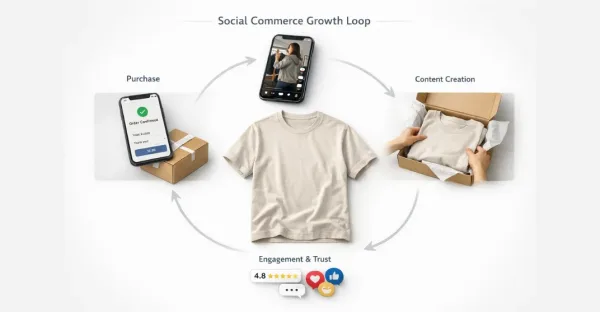
Relying only on a traditional website is no longer enough, because most customers now discover and purchase products directly through social platforms where their attention already exists. Instead of waiting for traffic, you need to position your brand where people are actively scrolling, engaging, and buying.
Focus on:
- TikTok Shop, which offers massive organic reach and allows users to purchase instantly without leaving the app
- Instagram V-Commerce, where Reels, Stories, and in-app checkout make the buying process seamless and fast
These platforms are not just marketing channels anymore they are primary sales engines for any modern clothing brand.
Content that works in 2026:
- Behind-the-scenes videos showing your production or packaging process
- Order packing clips that build trust and excitement
- “First 10 orders” or limited drop announcements to create urgency
- Real customer reactions and reviews to build credibility
Why this matters:
- You reduce dependency on paid ads by leveraging organic reach
- You connect directly with your audience in a more authentic way
- You shorten the buying journey, which increases conversion rates
In simple terms, social commerce is the backbone of every successful low-cost apparel business in 2026, and brands that ignore it struggle to grow.
Step 6: Build a Brand, Not Just Products
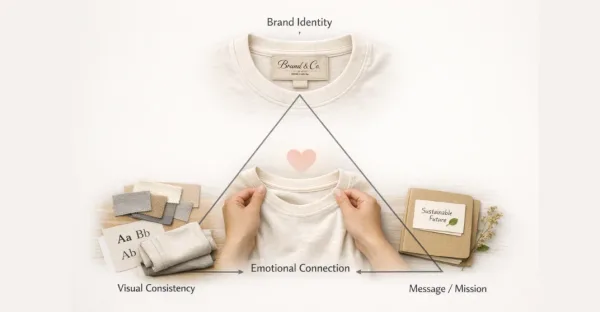
Simply selling apparel is not enough to stand out, because customers are constantly exposed to thousands of similar products every day across social platforms. What truly makes a difference is building a brand that connects emotionally with your audience and gives them a reason to choose you over others.
People don’t just buy t-shirts or hoodies anymore they buy a feeling, identity, and lifestyle that aligns with their values and interests.
To build a strong brand, you should focus on:
- Creating a simple yet memorable logo that reflects your niche and personality
- Defining a clear message or mission, such as sustainability, fitness, culture, or self-expression
- Maintaining consistent visuals, including colors, fonts, and content style across all platforms
Example:
Instead of selling “basic tees,” position your product as “Eco-friendly oversized tees designed for mindful creators who value comfort and sustainability”
Why this matters:
- It helps you stand out in a crowded market
- It builds trust and loyalty among your audience
- It makes your marketing more impactful and recognizable
When your brand tells a clear story, your products feel more valuable, which allows you to grow faster and compete even with a limited budget.
Step 7: Make Sustainability Your Advantage
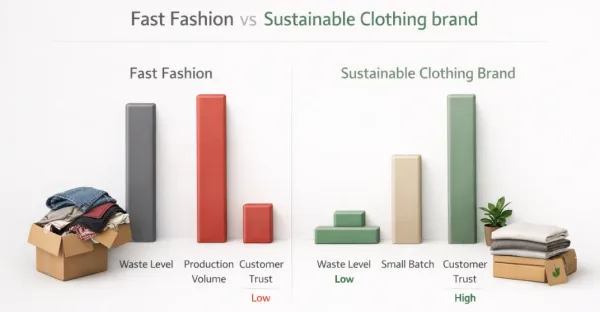
Sustainability is no longer just a trend or a marketing angle, because modern customers are becoming more aware of how their purchasing decisions impact the environment and are actively choosing brands that align with responsible practices. This shift creates a strong opportunity for new businesses to stand out by building a sustainable clothing startup 2026 from the very beginning.
You don’t need a large budget to position your brand as eco-conscious, but you do need to make intentional and transparent choices that reflect your values.
You can start by:
- Using materials like cotton or tri-blends that are more comfortable and widely accepted as better alternatives
- Producing in small batches to avoid overstock and reduce unnecessary waste
- Promoting mindful buying by encouraging customers to purchase quality pieces instead of excess quantities
Why this matters:
- Customers are more likely to trust and support brands that show responsibility
- It strengthens your brand image and builds long-term loyalty
- It differentiates your products in a crowded and competitive market
By making sustainability part of your core strategy instead of an afterthought, you create a brand that not only sells products but also builds meaningful connections with conscious consumers.
2026 Budget Breakdown (Realistic Table)
Before starting your clothing brand, it is important to clearly understand how your budget will be distributed so you can avoid overspending in one area and underinvesting in another. With a smart and balanced approach, you can launch a low-cost apparel business within a $500–$1,000 range while still maintaining quality and efficiency.
Below is a realistic breakdown of how most successful beginners are allocating their budgets in 2026:

Published on:
March 31, 2026