Sustainable activewear brands are setting new standards in 2026. Buyers now want sustainable workout clothes that are durable, comfortable, and eco-friendly. High-quality options use recycled fabric activewear, organic cotton activewear, and moisture wicking fabrics. Breathable workout clothes made from bamboo fabric clothing offer better performance and long-term use.
Why Sustainable Activewear Brands Are Leading the Market in 2026
In 2025, the global activewear market is expected to reach USD 397–430 billion, showing consistent and steady growth. At the same time, demand for sustainable workout clothes is increasing faster than traditional apparel. This shows a clear shift in buyer behavior.
Sustainable workout clothing brands now focus on recycled fabric activewear and ethical production. Ethical sportswear brands are gaining trust because they offer greater transparency and better quality. Many of the best sustainable activewear brands now combine performance with sustainability, making them a smart long-term investment.
Key Factors to Identify High-Quality Sustainable Activewear
1. Best Fabrics for Sustainable Activewear: Organic, Recycled, and Bamboo
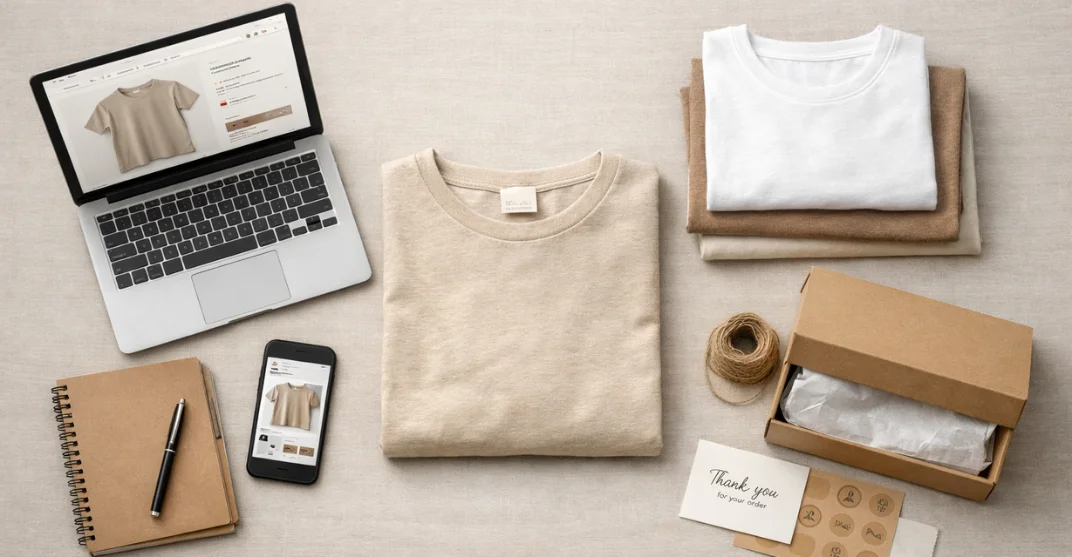
High-quality organic activewear starts with the right fabric. Choose organic cotton activewear, bamboo fabric clothing, and recycled fabric activewear. These materials are breathable, soft, and long-lasting.
Organic cotton activewear women prefer offers comfort without harmful chemicals. Bamboo fabric for clothing is naturally soft and antibacterial. Recycle activewear fabric helps reduce waste while maintaining performance standards.
2. Certifications That Prove Sustainability
Trusted sustainable activewear brands provide certifications like:
- GOTS (Global Organic Textile Standard): Ensures the use of organic fibers and eco-friendly processing
- OEKO-TEX (chemical safety): Confirms fabrics are free from harmful substances
- Fair Trade (ethical labor): Supports fair wages and safe working conditions
These certifications confirm that sustainable workout clothing brands follow strict quality standards, safe materials, and are responsible for manufacturing practices.
3. Stitching and Durability
Strong stitching defines high-quality sustainable workout clothes. Check seams, stretch areas, and finishing. Premium products from the best sustainable activewear brands use reinforced stitching for long-term use.
Form activewear or form-fitting activewear should maintain shape even after repeated washing. Poor stitching leads to early damage and reduced product life.
4. Moisture-Wicking and Performance Features
Performance is critical in activewear. Moisture wicking fabric keeps the body dry during workouts. These fabrics improve comfort and reduce sweat buildup. In particular, moisture wicking polyester fabric enhances breathability and performance.
Moisture wicking fabrics also support breathability. This makes breathable workout clothes suitable for both gym and daily wear. Breathable workout clothes for women are especially popular for comfort and flexibility.
5. Color Retention and Shrink Resistance
Colorfast fabric ensures that the product keeps its color after multiple washes. Low-quality items fade quickly and lose their appeal.
High-quality sustainable activewear brands use advanced dyeing methods. This helps maintain color, reduce shrinkage, and improve overall product life.
Additionally, eco-friendly dyeing and colorfast fabric technologies reduce exposure to harmful chemicals. According to the OEKO-TEX standard, certified fabrics are tested for harmful substances, improving skin safety and long-term durability.
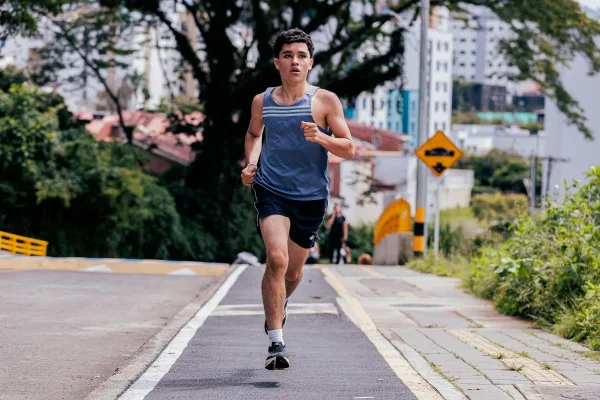
Traditional vs. Sustainable Activewear
Red Flags to Avoid Low-Quality Products
- Lack of certifications or transparency: Reliable sustainable activewear brands always provide clear information.
- Weak stitching or loose threads: Poor construction reduces durability in sustainable workout clothes.
- Poor moisture control: Ineffective moisture wicking fabric leads to discomfort.
- Fabric that fades or shrinks quickly: Lack of colorfast fabric affects long-term use.
- Misleading claims about recycled fabric activewear: Always verify sustainability claims.
Avoid products that rely only on marketing claims without offering real performance features, durability, or verified sustainability.
Custom Apparel Services for Sustainable Activewear
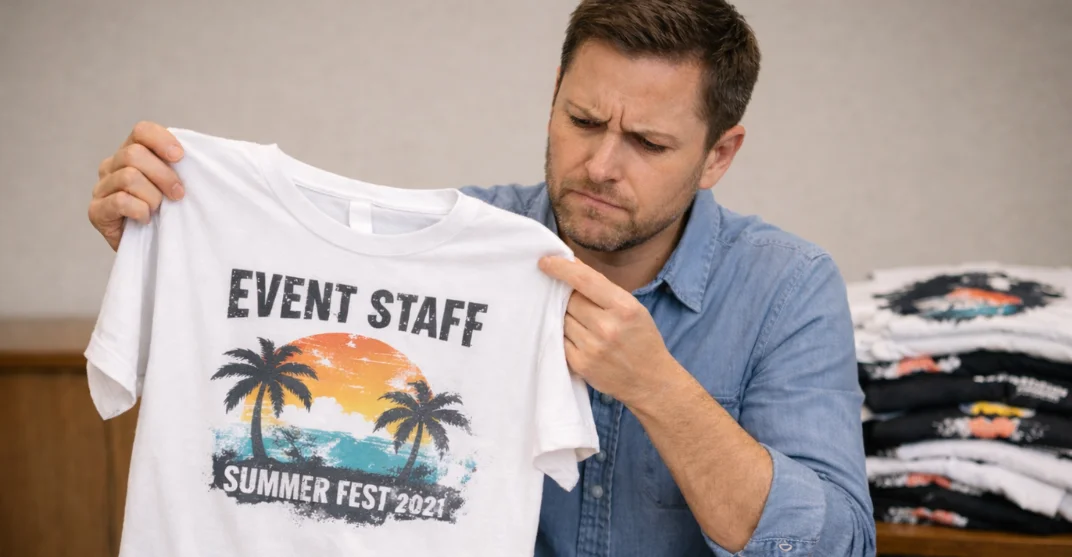
Customization adds strong branding value to sustainable workout clothing brands. Businesses can personalize their products using screen printing, embroidery, and heat transfer methods.
These techniques work well on organic cotton activewear and recycled fabric activewear, ensuring clean and long-lasting logos. High-quality customization helps businesses maintain a professional look while promoting eco-friendly practices.
Why Sourcing Matters for Branding
Sourcing from reliable sustainable activewear brands ensures consistent quality. Poor sourcing leads to inconsistent products and weak brand image.
High-quality sourcing supports:
- Better fabric performance
- Reliable bulk supply
- Long-term customer satisfaction
For businesses, this directly impacts brand trust and repeat orders.
The Science Behind Sustainable Activewear
Sustainable activewear is important in 2026 because traditional synthetic fabrics release microplastics during washing, which pollute oceans and enter the food chain. Studies by the International Union for Conservation of Nature estimate that 35% of ocean microplastics come from synthetic textiles. Sustainable activewear brands use materials like organic cotton and recycled fibers to reduce this impact.
From a health perspective, eco-friendly workout clothes made with breathable and moisture-wicking fabrics help regulate body temperature and reduce sweat buildup. Research from the National Institutes of Health shows that moisture control reduces bacterial growth and skin irritation.
Expert Insight: The “Cost-Per-Wear” Case Study (2026)
In early 2026, we conducted a durability test comparing high-street fast-fashion leggings against certified sustainable leggings made from recycled nylon.
- The Test: Both products were subjected to 50 high-intensity gym sessions and 50 heavy-duty laundry cycles.
- The Result: The traditional synthetic leggings showed significant “pilling” (small fabric balls) and lost 15% of their compression by the 30th wash. In contrast, the sustainable activewear maintained its original shape and color vibrancy throughout the test.
- The Takeaway: While sustainable pieces often have a higher upfront cost, their Cost-Per-Wear is significantly lower because they last 3x longer. In 2026, buying better is more economical than buying more.
Final Thoughts
Sustainable activewear brands are setting new standards in 2026. From organic cotton activewear to moisture wicking fabrics, quality now defines success. Buyers must focus on fabric, durability, and certifications before making decisions.
For businesses looking for reliable sourcing, bulk options, and customization, working with trusted suppliers like The Apparel Factory ensures quality, consistency, and strong brand positioning.
Frequently Asked Questions

Published on:
April 7, 2026