

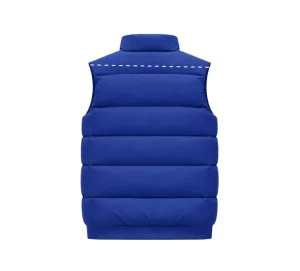
How to Measure Vest

Chest Measurement

Lay the vest flat and measure across the front, 1 inch below the armhole from seam to seam.

Back Measurement

Take the length from the highest shoulder point to the bottom hem at the center back.

shoulder measurement

Shoulder Measurement

Record the distance between both shoulder seams across the back.

Tips for Accuracy

Measure chest width below the armhole. The button or zipper front can alter chest readings. Measure from armhole seam straight across, avoiding the placket.
Measure armhole depth and width carefully. Too small digs in; too large gaps and bunches.
Measure both front and back length. Many tailored vests are shorter in front. These tell if the vest will cover your shirt when you move or sit.
Check hem width for layered wear. A fitted vest tapers at the hem; a relaxed vest has a hem width close to the chest.
Measure the V-neckline depth from the shoulder to the lowest point. On a suit vest, this should sit below your tie knot and show the shirt collar.


FAQ

For tailored vests, the front should lie flat when buttoned with about 1 inch of pinchable fabric at the side seam. For casual or utility vests, 2–3 inches of ease is comfortable and practical.

Check if the back panel has a cinch strap that can be loosened. If not, a tailor may be able to let out side seams if seam allowance permits. Going up one size and having the shoulders adjusted is often the cleaner fix.

The front hem should just cover your trouser waistband — about 1 inch below it when standing. The bottom button is traditionally left undone, so the effective length ends at the second-to-last button.

Yes. From a fit perspective, just ensure the vest’s armhole is comfortable over your dress shirt — some suit vests are cut close and only work without a jacket underneath.

Not by label, but by measurement. Compare the flat chest and shoulder measurements of the vest to your jacket — especially since vests are worn under a jacket and need slightly less ease.
