The wholesale apparel landscape is undergoing a tectonic shift. As we enter 2026, the industry is moving away from the “fast fashion” mentality of the past decade and toward a future defined by longevity, technological integration, and ethical responsibility. For retail entrepreneurs, corporate procurement officers, and brand managers, staying ahead of these trends is no longer about just aesthetics it’s about survival and scalability. At The Apparel Factory, we have analysed thousands of data points, from supply chain innovations to consumer psychological shifts, to bring you this exhaustive guide to the year ahead.
1. The Era of “Quiet Luxury” and Minimalism
In 2026, branding is whispering, not shouting. The “Quiet Luxury” movement, which started in high-end fashion houses, has officially permeated the B2B wholesale sector. Buyers are moving away from loud, oversized graphics in favor of understated elegance.
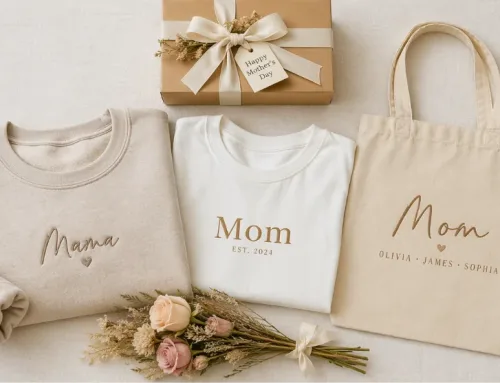
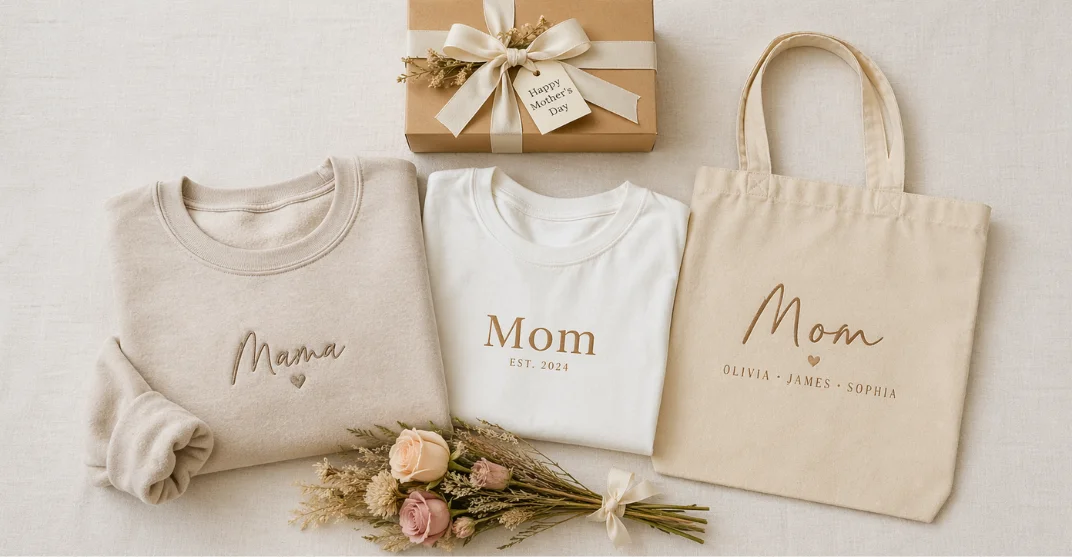
- Subtle Customization: Demand for tonal embroidery (where the thread matches the garment colour) has increased by over 40%. This creates a sophisticated, “retail-ready” look that corporate clients love.
- Fabric-First Approach: When the design is minimal, the fabric must be exceptional. We are seeing a surge in requests for Pima cotton, heavy French Terry, and mercerized wool blends.
- Buyer’s Strategy: Shift your inventory toward premium basics. A high-quality, blank heavyweight tee with a small, 3D-embroidered logo on the sleeve often carries a higher perceived value than a fully printed lower-quality shirt.
2. Radical Sustainability and the “Circular Economy”
Sustainability is no longer a buzzword; it is a regulatory requirement and a core consumer demand. In 2026, buyers are looking for “traceability” the ability to track a garment from the cotton field to the shipping box.
- Next-Gen Materials: Beyond just organic cotton, we are seeing the rise of seaweed fibbers, mushroom leather accents, and carbon-negative polyester.
- Waterless Dyeing: Consumers are becoming aware of the environmental impact of textile dyeing. Brands that utilize “Dry Dye” or air-dyeing technologies are seeing massive preference.
- The End-of-Life Plan: Buyers are now asking, “Can this garment be recycled at the end of its life?” Mono-material garments (100% cotton or 100% polyester) are trending because they are easier to recycle than blends.
- Actionable Tip: Highlight certifications like GOTS (Global Organic Textile Standard) and OEKO-TEX on your product pages to build immediate trust.
3. The Dominance of “Heavyweight” Streetwear Silhouettes
The “slim fit” era is officially in the rearview mirror. 2026 is the year of the structured, oversized silhouette. Influenced by 90s nostalgia and the “skater” aesthetic, consumers want apparel that feels substantial.
- GSM is the New Metric: Buyers are specifically searching for high-GSM (Grams per Square Meter) fabrics. T-shirts are moving from the standard 150 GSM to 240-300 GSM. Hoodies are pushing past the 450 GSM mark.
- Boxy & Cropped: The trend is shifting toward “boxy” fits wide in the chest but shorter in length which offers a modern, high-fashion look.
- Buyer’s Strategy: Ensure your catalogue includes “Drop Shoulder Hoodies” and “Garment Dyed” tees. These items are the bread and butter of modern streetwear brands.
4. Tactile Decoration: Beyond the Flat Print
As digital fatigue sets in, consumers are craving physical, tactile experiences. This is manifesting in how apparel is decorated. Buyers are moving away from traditional flat screen printing toward techniques that offer depth and texture.
- Puff Printing 2.0: This technique uses a foaming agent in the ink that expands when heated, creating a 3D effect. It’s particularly popular for typography-heavy designs.
- Chenille and Towel Patches: Often seen on varsity jackets, these fuzzy, high-texture patches are now being applied to hoodies and even tote bags.
- Silicon Printing: Offering a sleek, rubberized feel, silicon prints are durable, stretchable, and look incredibly modern on performance wear.
- Actionable Tip: Offer “Mixed Media” customization combines a flat screen print with an embroidered accent to create a unique, multi-layered look.
5. Performance-Driven “Hybrid” Workwear
The line between “office clothes,” “gym clothes,” and “loungewear” has blurred into a single category: Hybrid Wear. As remote and flexible work becomes the global norm, the demand for clothes that perform multiple roles is skyrocketing.
- Technical Fabrics in Formal Styles: Imagine a crisp, button-down shirt that has the four-way stretch and moisture-wicking properties of a Nike running shirt. This is what the 2026 professional wants.
- Anti-Microbial & Odor-Resistant: For the traveller and the busy professional, fabrics treated to stay fresh longer are a major selling point.
- Buyer’s Strategy: Pitch performance polos and “commuter” pants to your corporate clients. These items solve the problem of staying comfortable during a commute while looking sharp for a boardroom meeting.
6. The Colour Palette of 2026: Earthy & Muted
Colour trends for 2026 are heavily influenced by “Biophilic Design” bringing the outdoors in. We are seeing a move away from synthetic, neon colours toward hues found in nature.
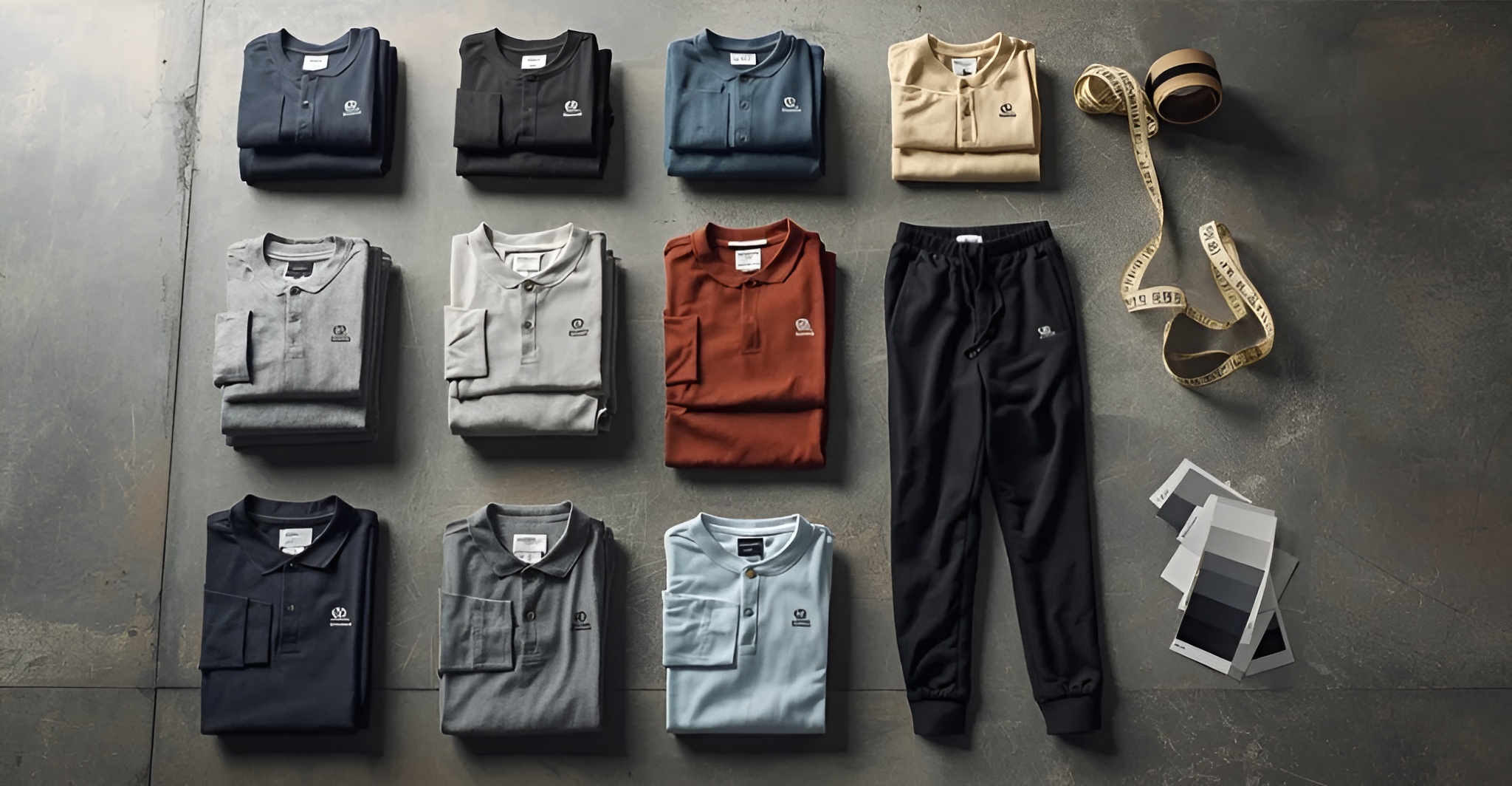
- Key Shades: Sage Green, Terracotta, Ochre, Dusty Blue, and “Greige” (a mix of grey and beige).
- The Power of Neutrals: Off-white, bone, and charcoal remain the strongest performers for wholesale because they provide the perfect neutral canvas for any brand logo.
- Actionable Tip: When stocking up on blanks, prioritize a “Nature Palette.” These colours tend to have a longer shelf life and don’t go out of style as quickly as seasonal brights.
7. Supply Chain Transparency and Ethical Labor
The 2026 buyer is an activist. With the rise of social media “call-out” culture, brands cannot afford to have “mystery” in their supply chain.
- Radical Transparency: Buyers are demanding to see photos of factories and proof of fair wages.
- Local Sourcing: To reduce shipping emissions and support local economies, “Made in USA” or “locally finished” apparel is seeing a major resurgence.
- Actionable Tip: At The Apparel Factory, we pride ourselves on ethical sourcing. Make sure to communicate your ethical standards in your “About Us” section; it’s a major conversion factor for modern B2B buyers.
8. The “Gender-Neutral” Shift
Fashion is becoming increasingly post-gender. In 2026, the “Unisex” category is no longer an afterthought it is the primary focus for many wholesale manufacturers.
- Inclusive Sizing: Moving beyond just S-XL. 2026 requires a range from XXS to 5XL.
- Universal Patterns: Designing clothes that look equally good on different body types is an art form. Unisex hoodies and joggers are the top-selling items in this category.
- Buyer’s Strategy: Buying unisex stock reduces your inventory risk. Instead of buying 50 men’s and 50 women’s shirts, you can buy 100 unisex shirts, ensuring you don’t end up with dead stock in one gender category.
9. Hyper-Personalization and Low MOQs
Technology has made it possible to print one shirt almost as cheaply as a thousand. This has led to the rise of “Hyper-Personalization.”
- The End of High Minimums: In 2026, buyers expect to be able to order small batches to test the market before committing to a bulk run.
- On-Demand Logistics: The “Print-on-Demand” model is merging with “Wholesale” to allow for rapid restocking of winning designs.
- Actionable Tip: Use our low Minimum Order Quantities (MOQs) at The Apparel Factory to run “Limited Edition” drops for your brand. This creates urgency and keeps your inventory fresh.
10. AI-Integrated Sourcing and Design
Artificial Intelligence is the biggest “disruptor” in the 2026 apparel market. From design to delivery, AI is everywhere.
- Predictive Analytics: Smart buyers are using AI to predict which colours and styles will trend three months from now, allowing them to buy stock before the peak demand hits.
- Instant Mock-ups: Buyers no longer want to wait 48 hours for a digital proof. They want to upload their logo and see a 360-degree, high-definition 3D mock-up instantly.
- Actionable Tip: Leverage digital design tools to show your clients exactly what their finished product will look like. This reduces “buyer’s remorse” and significantly lowers return rates.
Final Thoughts: Future-Proofing Your Brand
As we navigate through 2026, the most successful buyers will be those who balance style with substance. It’s not just about the garment anymore; it’s about the story, the ethics, and the technology behind it.
Whether you are launching a new streetwear label, refreshing your corporate uniforms, or sourcing merch for a global event, these trends should serve as your North Star. The market is leaning toward quality, sustainability, and smart design.
Are you ready to lead the market? At The Apparel Factory, we stay at the forefront of these shifts so you don’t have to. From premium blank sourcing to world-class customization, we are your partner in navigating the future of fashion.
Frequently Asked Questions

Published on:
January 7, 2026